Views: 0 Author: Site Editor Publish Time: 2025-11-27 Origin: Site


Curtain walls are an essential component of modern architecture, providing both functionality and aesthetic appeal to commercial and residential buildings. These non-structural glass facades serve as an outer shell for a building, offering protection against the elements while allowing natural light to flow into the interior. One of the most crucial elements of a curtain wall is the glass used in its construction. The type of glass chosen can impact the performance, energy efficiency, and overall design of the building. In this article, we will explore the different types of glass used in curtain walls, their benefits, and how to choose the right glass for your building’s needs.
A curtain wall is essentially a framework of glass and metal that covers the exterior of a building. While the framework is typically made from materials like aluminum or steel, the glass plays a vital role in the wall's aesthetic, thermal performance, and durability. The glass must be carefully selected to meet specific criteria such as safety, weather resistance, sound insulation, and energy efficiency.
Glass used in curtain walls must be strong enough to withstand wind pressure, thermal stresses, and physical impacts. It must also provide visual transparency while maintaining energy efficiency to meet modern building standards. The type of glass used in a curtain wall can significantly affect the overall energy performance and sustainability of the building, which is why selecting the right glass is a critical part of the design process.
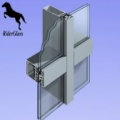
Several types of glass can be used in curtain walls, each offering distinct advantages depending on the building’s needs. Below are the most commonly used types of glass in curtain wall systems:
Tempered glass is one of the most popular choices for curtain walls. It is a type of safety glass that has been treated with heat or chemicals to increase its strength. Tempered glass is much stronger than regular glass and is designed to break into small, less harmful pieces when shattered, making it a safer option for buildings.
Benefits of Tempered Glass:
High strength and resistance to breaking
Safety feature (shards break into small, non-lethal pieces)
Enhanced durability against thermal stress and physical impact
Suitable for high-rise buildings where safety is a priority
Tempered glass is particularly useful for areas of the curtain wall that may experience high levels of impact or are located in high-wind zones. It provides added safety and durability, making it an excellent choice for both residential and commercial buildings.
Laminated glass consists of two or more layers of glass bonded together with an interlayer (usually made from plastic such as PVB - Polyvinyl Butyral). It is an excellent choice for curtain walls that require enhanced safety, soundproofing, and UV protection. The interlayer helps hold the glass together if it shatters, preventing glass fragments from falling and reducing the risk of injury.
Benefits of Laminated Glass:
Enhanced safety due to the interlayer, which keeps the glass intact if it breaks
Superior sound insulation, ideal for buildings in noisy environments
Blocks harmful UV rays, protecting interiors from fading
Increased security and resistance to burglary or forced entry
Laminated glass is widely used in high-security buildings, schools, airports, and areas where reducing noise is a priority. Its ability to block UV rays also makes it a popular choice for curtain walls in buildings that want to protect their interiors from sun damage.
Insulated glass units (IGUs), also known as double or triple glazing, consist of two or more panes of glass separated by an air or gas-filled space. The gap between the panes acts as an insulating barrier, reducing heat transfer and improving the thermal performance of the curtain wall.
Benefits of Insulated Glass:
Excellent thermal insulation, reducing heating and cooling costs
Noise reduction properties, providing better acoustical performance
Enhanced energy efficiency and comfort in buildings
Available in various configurations (double or triple glazing) for increased insulation
IGUs are ideal for buildings that require superior energy performance, especially in climates with extreme temperatures. They are commonly used in commercial buildings, office towers, and residential structures where reducing energy consumption is a primary concern.
Low-E glass is coated with a thin layer of metallic oxide that reflects infrared radiation (heat) while allowing visible light to pass through. This coating helps regulate the temperature inside the building by preventing heat from escaping during the winter and reducing heat gain during the summer. Low-E glass is commonly used in curtain walls to improve energy efficiency.
Benefits of Low-E Glass:
Improves energy efficiency by reducing heat transfer
Keeps buildings cooler in the summer and warmer in the winter
Reduces the need for air conditioning and heating, leading to lower energy costs
Allows natural light to penetrate while blocking harmful UV rays
Low-E glass is an excellent choice for curtain walls in buildings looking to enhance energy efficiency. Its ability to reduce the amount of heat entering or escaping the building makes it particularly effective in improving the overall energy performance of a structure.
Reflective glass is a type of glass that is coated with a metallic layer, usually made of silver or aluminum, to create a mirror-like effect. This reflective coating helps reduce the amount of solar heat entering the building by reflecting sunlight away. Reflective glass is often used in curtain walls of commercial buildings to control glare and improve the building’s aesthetic appeal.
Benefits of Reflective Glass:
Reduces solar heat gain, improving energy efficiency
Offers a sleek, modern appearance
Helps control glare, particularly in areas with strong sunlight
Provides a degree of privacy by reflecting light
Reflective glass is ideal for large commercial buildings in hot climates where solar heat gain can lead to increased cooling costs. Its ability to enhance privacy while maintaining visibility is another reason it is favored for curtain walls in urban settings.
Fritted glass is glass that has been coated with a ceramic pattern or texture. The pattern is baked onto the glass surface, creating a durable, non-reflective coating that provides additional shade and privacy. Fritted glass is often used in curtain walls to reduce glare from the sun and to create a distinctive aesthetic.
Benefits of Fritted Glass:
Reduces glare from sunlight and improves occupant comfort
Adds an architectural design element to buildings
Provides privacy while maintaining visibility
Helps control solar heat gain
Fritted glass is frequently used in buildings where solar control and aesthetic design are both priorities. It is especially popular in office buildings, retail stores, and public spaces, where both form and function are essential.
When selecting glass for curtain walls, there are several factors to consider:
Energy Efficiency: If your goal is to improve a building’s energy performance, insulated glass, Low-E glass, and reflective glass are great options. These types of glass will help maintain a consistent internal temperature, reducing the need for heating and cooling.
Safety and Security: For high-security applications, laminated or tempered glass is an excellent choice. These types of glass offer added protection against impact, breakage, and potential intruders.
Acoustics: For buildings in noisy areas, laminated glass or insulated glass can help reduce sound transmission, ensuring a quieter indoor environment.
Aesthetic Considerations: The choice of glass can have a significant impact on the appearance of a building. Reflective glass and fritted glass can provide a modern, sleek look, while clear glass is often preferred for maximizing visibility and light.
Climate and Location: The climate and geographical location of the building should also influence your choice. For example, Low-E glass is ideal for buildings in areas with extreme temperatures, while reflective glass is better suited for hot climates where solar heat gain is a concern.
Selecting the right glass for your curtain wall is crucial for optimizing both the performance and appearance of your building. From improving energy efficiency to enhancing safety, the right type of glass can make a significant difference in the overall functionality of the structure. Understanding the unique benefits of each type of glass, such as tempered glass, laminated glass, insulated glass, and Low-E glass, allows architects and builders to make informed decisions that align with their specific needs.
At www.riderglass.com, we are dedicated to providing high-quality glass solutions for curtain walls and other architectural applications. Our range of products is designed to offer durability, energy efficiency, and aesthetic appeal, ensuring that your building performs at its best. For more information or to discuss your specific requirements, feel free to contact Rider Glass. Our team is ready to assist you in selecting the perfect glass for your project, providing expert advice and reliable service every step of the way.


