Views: 0 Author: Site Editor Publish Time: 2026-05-19 Origin: Site


Large-scale glass manufacturing constantly battles a critical tension. Producers must balance high-throughput production speeds alongside uncompromising coating durability. Architectural specification demands materials capable of surviving harsh climates. Traditional offline methods often create fragile surfaces. These surfaces remain prone to moisture damage and scratching. They require careful handling and secondary processing. This adds significant time and risk to major construction projects.
Online chemical vapor deposition glass offers a robust alternative. It creates weather-resistant products directly on the float line. We will provide specifiers and process engineers an objective evaluation framework. You will learn to compare this continuous technology against offline batch alternatives. This guide explores performance realities across both architectural and photovoltaic applications.
Production Efficiency: Online CVD utilizes the residual heat of the float glass process, eliminating the need for secondary heating or vacuum chambers.
Superior Durability: Pyrolytic reactions create molecular-level covalent bonds, resulting in a "hard coat" that withstands handling, scratching, and indefinite storage.
Application Scope: Ideal for high-volume reflective glass, commercial facades, and transparent conductive oxide layers in solar PV, though it lacks the localized masking capabilities of off-line sputtering.
Modern glass manufacturing relies heavily on continuous production. Operational efficiency drops when you interrupt the manufacturing flow. Integrating coating equipment directly into the float line solves this problem. Engineers position the chemical vapor deposition apparatus directly over the tin bath. The glass ribbon moves continuously beneath it. The environment inside the tin bath is highly controlled. It contains a protective nitrogen and hydrogen atmosphere.
The economic advantage stems from utilizing existing thermal energy. The glass ribbon exits the melting furnace at extreme temperatures. It cools to between 600°C and 675°C inside the tin bath. This temperature provides the exact thermal energy needed for gas pyrolysis. You do not need secondary heating systems. The precursor gases vaporize and react upon contact. They break down instantly to form a solid oxide layer.
We must clarify the physical difference between standard adhesion and molecular bonding. Conventional sputtering relies on physical surface adhesion. It stacks ultra-thin layers of metal oxides onto the cold glass surface. These layers remain structurally distinct from the substrate. Pyrolytic deposition works entirely differently. The intense heat causes the precursor molecules to fuse directly into the silica matrix. They form permanent covalent bonds. The coating becomes an inseparable part of the glass. The industry calls this a "hard coat."
Continuous in-line deposition transforms operational throughput. Offline batch systems require complex secondary handling. You must cool the glass, cut it, wash it, and transport it to a separate vacuum chamber. Each handling step introduces yield losses. Online deposition eliminates these steps entirely. The glass receives its protective layer before it even reaches the annealing lehr. Production volumes scale effortlessly. You achieve continuous output matching the primary float line speed.
Eliminated handling steps: Removes secondary washing and transport phases.
Energy recovery: Harnesses 600°C residual heat instead of reheating cold panes.
Yield protection: Reduces physical scratching risks during intermediate storage.
Continuous flow: Matches the 24/7 operational rhythm of standard float plants.
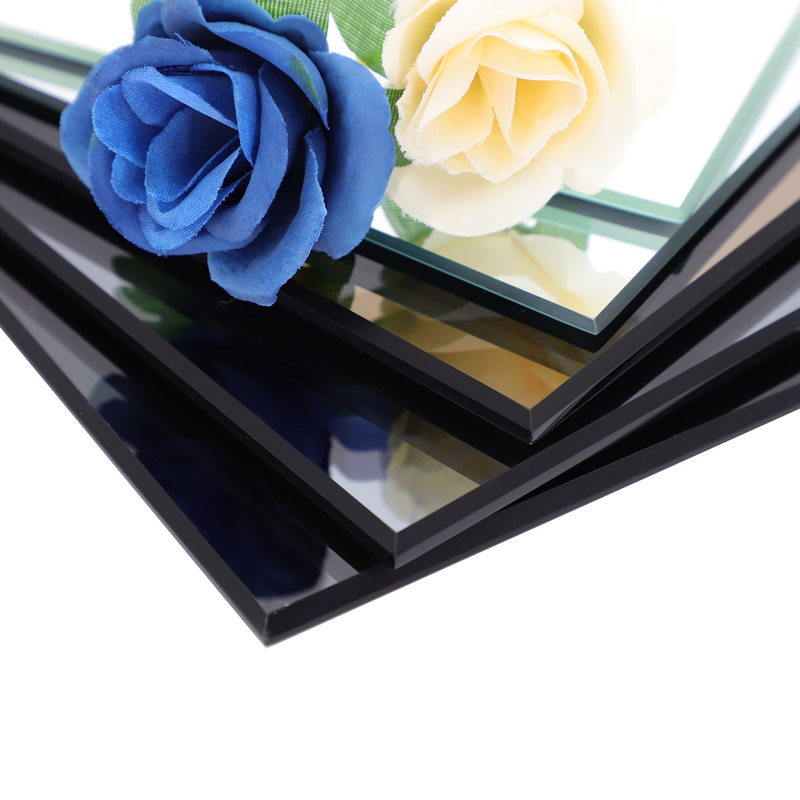
Architects constantly weigh pyrolytic hard coats against multi-layer metallic oxide soft coats. Both technologies offer unique structural differences. Chemical vapor deposition produces a durable, single-layer or few-layer oxide structure. Physical vapor deposition (PVD) sputtering stacks numerous delicate metallic layers. These often include silver to reflect infrared radiation. The PVD soft coat remains highly vulnerable to oxygen and ambient moisture.
Climate variables strictly dictate performance suitability. Specifiers often choose a pyrolytic solar control coating for hotter, Southern climates. Buildings in these regions require massive cooling load reductions. They need robust exterior reflection to block solar heat gain. Northern climates present a different challenge. They require superior thermal insulation to retain indoor heating. PVD soft coats excel here due to their exceptional low-emissivity properties. However, you must carefully protect PVD coatings from moisture degradation.
Handling and installation realities clearly separate the two technologies. You can utilize reflective glass CVD in single-pane applications. Its covalent structure resists oxidation completely. Fabricators can cut, temper, and install it like ordinary clear glass. It withstands open-air exposure for decades without degrading.
PVD mandates rigorous protection. You must encapsulate sputtered soft coats inside sealed double-pane insulated glass units (IGUs). Exposure to humid air causes the silver layers to tarnish quickly. Furthermore, fabricators must perform costly edge-deletion processes. They physically grind the coating off the perimeter of the glass pane. If they skip this step, the primary IGU sealants will fail to adhere properly. Hard-coated glass completely bypasses this expensive edge-deletion requirement.
Feature Matrix | Chemical Vapor Deposition (Hard Coat) | PVD Sputtering (Soft Coat) |
|---|---|---|
Bonding Mechanism | Covalent molecular fusion (pyrolytic) | Physical surface adhesion (vacuum) |
Durability & Handling | High scratch resistance, infinite shelf life | Fragile, oxidizes rapidly in humid air |
Edge Deletion | Never required for IGU sealing | Strictly mandatory to prevent seal failure |
Climate Optimization | Hot climates (excellent solar reflection) | Cold climates (maximum thermal retention) |
Process engineers must understand inherent system constraints before upgrading float lines. Masking constraints represent a significant process limitation. Chemical vapor deposition inherently creates uniform, conformal coatings. The reactive gases fill the atmospheric space above the hot ribbon. They coat every exposed millimeter of the surface evenly. You cannot easily achieve localized masking. High-precision optical patterning remains impossible in this environment. If an application requires complex geometric masking, you must use offline sputtering.
Precursor handling demands serious infrastructure investments. The process relies on highly reactive chemicals. Manufacturers frequently use toxic or flammable precursor gases. Tin(IV) chloride derivatives serve as common precursors for tin oxide layers. These chemicals present substantial environmental and safety hazards. Facility managers must install complex gas scrubber systems. The pyrolysis process generates acidic byproducts like hydrogen chloride gas. You must safely neutralize these exhausts before venting them into the atmosphere. This exhaust management requires vigilant maintenance protocols.
Coating thickness limits pose another critical engineering challenge. You cannot simply deposit infinitely thick layers to increase optical density. Internal thermal stresses dictate the maximum achievable film thickness. The silica substrate and the deposited oxide layer possess different expansion coefficients. They cool at slightly different rates once they exit the tin bath. If the coating grows too thick, the residual stress becomes overwhelming. Micro-cracking will inevitably occur across the surface. Engineers must carefully balance deposition rates against these thermal stress thresholds.
The renewable energy sector heavily leverages pyrolytic deposition techniques. Thin-film solar cells require specialized transparent conductive layers. These layers perform a difficult dual function. They must allow maximum sunlight transmission into the active photovoltaic material. Simultaneously, they must conduct generated electricity out of the cell efficiently. Fluorine-doped tin oxide serves this exact purpose. Manufacturers deposit this layer directly onto the hot float ribbon. It provides an optimal balance of high optical clarity and low electrical resistance.
Engineers spend significant time perfecting morphology engineering. The physical structure of the deposited layer matters deeply. Controlling the grain size during deposition directly impacts performance. A perfectly smooth surface actually reduces solar cell efficiency. Engineers deliberately tune the gas mixtures to create a textured, rough surface. This specific roughness enhances light-scattering properties. When light hits this rough interface, it scatters at multiple angles. The light travels a longer path through the active solar layer. This extended path increases photon absorption. It directly boosts the short-circuit current (Jsc) and improves the final fill factor of the cell.
Advanced variations exist for temperature-sensitive substrates. Standard thermal pyrolysis requires temperatures exceeding 600°C. Many next-generation photovoltaic cells cannot survive this heat. Plasma-Enhanced CVD (PECVD) solves this barrier. It uses radio frequency or microwave energy to generate a reactive plasma. This plasma excites the precursor gases at much lower temperatures. Manufacturers use PECVD to deposit silicon nitride anti-reflective coatings. They also use it for delicate surface passivation layers. These layers minimize electron recombination, boosting overall panel efficiency. Reflective glass processing frequently borrows these advanced plasma techniques for specialty applications.
Selecting the right production strategy requires rigorous facility assessment. Plant managers face a distinct fork in the road. They can upgrade an existing float line with online coater integration. Alternatively, they can source finished coated glass from established manufacturers. Upgrading requires adequate physical space above the tin bath. The roof casing must accommodate large precursor delivery beams. The facility must also handle the increased utility loads.
Financial teams must execute complex CapEx versus OpEx modeling. The initial capital expenditure presents a steep barrier. You must purchase sophisticated gas delivery cabinets. You need highly precise vaporizers to ensure uniform gas distribution. You must also build the necessary acid scrubbers. However, the long-term operational savings heavily offset these initial costs. High-yield, continuous production drastically lowers the marginal cost per square meter. There are no secondary heating bills. You eliminate vacuum pump maintenance completely.
Project specifiers need actionable shortlisting methods. You cannot simply request generic hard-coated materials. You must define exact optical performance requirements based on building codes.
Define optical targets: Determine the maximum allowable UV transmittance for your specific climate zone.
Set heat parameters: Calculate the required solar heat gain coefficient (SHGC) to minimize HVAC cooling loads.
Match chemical precursors: Request documentation showing which oxide formulations meet your exact SHGC and visible light transmittance targets.
Audit handling capabilities: Verify your local fabrication partners can properly temper and cut the specified pyrolytic layers without issue.
Careful execution of these steps ensures long-term facade success. Rushing the specification phase often leads to mismatched materials and costly onsite delays.
Architectural specification demands a clear understanding of production realities. Off-line sputtering remains vital for precision optics and extreme cold-climate insulation. It provides the highest possible thermal retention values. However, chemical vapor deposition remains the undisputed choice for durable, high-volume solar control. The covalent molecular bonding ensures unmatched field reliability.
The elimination of secondary batch processing accelerates project timelines significantly. The ability to avoid edge deletion saves fabricators thousands of manual labor hours. Decision-makers must actively audit their specific handling capabilities. You should strictly evaluate your regional climate requirements and total volume needs. Finalizing technical specifications without this audit invites unnecessary project risks. Choose continuous online deposition when extreme weather resistance and rapid scale define your project goals.
A: Yes. Because the coating is pyrolytically fused to the glass, it is highly resistant to oxidation and moisture. Unlike sputtered soft coats which require a sealed insulated glass unit (IGU), you can expose hard coats directly to the elements.
A: Practically infinite. The durable hard coat does not degrade from ambient moisture exposure during long-term storage or transport. Fabricators can keep these panels in warehouse inventory for years without risking oxidation or performance loss.
A: CVD is a continuous online process integrated directly into the float glass manufacturing line. It uses residual furnace heat. PVD is an offline batch process requiring separate vacuum chambers, secondary glass handling, and extreme atmospheric protection.


