Views: 0 Author: Site Editor Publish Time: 2026-03-13 Origin: Site


City living has energy—restaurants, transit, events, and a skyline that keeps growing upward. But the higher and denser a city becomes, the more one issue follows every new development: noise. Many people assume high-rise apartments are naturally quieter because they sit above street level. In reality, high-rises are often exposed to a broader noise field: traffic from multiple directions, elevated highways, rail lines, construction, rooftop mechanical equipment, emergency sirens, and even wind-driven sound reflections between buildings. Residents may be “above the street,” yet still live inside a constant layer of urban sound. And once people move in, noise becomes more than a comfort issue—it affects sleep quality, concentration, work-from-home experience, and long-term satisfaction with the property.
From our perspective at Rider Glass Company Limited, we see that the window and façade package is one of the most decisive factors in noise performance. Walls in modern towers are typically engineered well, but glazing areas are large, and glass is where sound most often finds a pathway. That’s why Acoustic Laminated Glass is increasingly essential in high-rise apartments. It’s not a luxury upgrade; it’s a practical building component that helps achieve acoustic comfort without sacrificing daylight, views, and modern façade design. In this article, we explain what acoustic glass does, why high-rise buildings face unique noise challenges, and how to specify the right acoustic laminated glass solution for real urban environments.
Noise exposure changes with height. While ground-level foot traffic might reduce as you go up, high-rise residents can experience:
Multi-directional traffic noise from arterial roads and elevated routes
Construction noise that travels and reflects between tower surfaces
Rail and transit vibration-related sound, depending on distance and ground conditions
Wind effects that transmit sound and create façade pressure variation
Mechanical equipment noise from rooftop plant rooms, nearby towers, or balcony HVAC units
City “background roar” that becomes a constant low-frequency layer
High-rise noise is often dominated by mid- to low-frequency sound (traffic rumble, engines, HVAC), which is harder to block than high-frequency sounds.
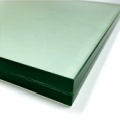
Acoustic Laminated Glass is a laminated glazing product designed to reduce sound transmission by using a special acoustic interlayer between glass plies. Standard laminated glass already improves safety by holding fragments together after impact. Acoustic laminated glass adds another key function: sound damping.
Sound is energy that makes materials vibrate. When sound hits glass, the pane vibrates and passes part of that energy through to the inside. Acoustic interlayers are engineered to dampen vibration, reducing how much sound energy gets transmitted.
In many façade designs, acoustic laminated glass is used as part of insulated glazing units (IGUs)—for example, combining:
an outer laminated pane with acoustic interlayer
an air or gas cavity
an inner pane (monolithic or laminated depending on performance targets)
Many buyers think “thicker glass = quieter room.” Thickness can help, but urban noise control is more complex. Sound insulation depends on:
glass thickness and stiffness
interlayer damping behavior
cavity depth in double glazing
the difference in thickness between panes (asymmetry helps)
frame, seals, and installation quality (critical)
Acoustic laminated glass is effective because it targets the vibration transmission mechanism, not just mass.
Noise is one of the most common complaints in urban residential buildings. A quieter bedroom improves:
sleep quality
stress levels
work-from-home productivity
long-term satisfaction with the unit
Tenants and buyers notice quietness quickly. Acoustic performance becomes part of the “premium feel” of a high-rise apartment, especially in city centers.
High-rise design trends favor bigger windows and curtain walls. Acoustic laminated glass enables those designs while keeping interior comfort under control.
Unlike heavy internal soundproofing solutions, acoustic glass controls noise while keeping the visual openness that high-rise living is known for.
Because it is laminated, it also provides:
improved impact safety
better resistance to glass fallout
enhanced security behavior compared with monolithic panes
Acoustic upgrades are most impactful in high-rise apartments near:
major roads and expressways
rail corridors and transit hubs
airports and flight paths
entertainment districts (night-time peaks)
active construction zones
dense clusters of towers with reflective sound paths
In these areas, the façade glazing spec can make the difference between a “tolerable” unit and a high-demand, high-retention property.
Even the best acoustic laminated glass cannot deliver results if the rest of the window system leaks sound.
Sound finds gaps easily. Common leakage points include:
poor gasket compression
misaligned frames
unsealed perimeter gaps
weak sliding window designs without tight sealing
air leakage paths around mullions and anchors
That’s why professional façade design treats acoustic glass as part of a complete acoustic envelope, not a stand-alone product.
When specifying acoustic laminated glass, we usually look at:
Is the dominant noise:
high frequency (sirens, horns, human voice)
mid frequency (traffic flow)
low frequency (heavy vehicles, HVAC rumble)
More glass area means the glazing performance becomes even more critical.
Common approaches include:
asymmetric IGU (different thickness panes)
acoustic laminated outer pane for noise damping
appropriate cavity depth for better insulation
Operable units are often weaker acoustically than fixed units. If operable windows are needed, higher-performance seals and frame designs matter.
Glazing option | Noise reduction potential | Typical cost efficiency | Best for |
Single monolithic glass | Low | High (cheap) | low-noise areas |
Standard double glazing | Medium | Good | moderate city noise |
Thicker monolithic double glazing | Medium | Moderate | when low-frequency is not dominant |
Acoustic laminated glass (in IGU) | High | Strong | high-rise near traffic/rail |
Acoustic laminated + asymmetric IGU | Very high | Premium | severe urban noise sites |
(Exact performance depends on system design and installation quality.)
If the frame leaks air, sound leaks too. Airtightness is acoustic performance.
Sliding systems typically have more leakage paths than hinged systems unless specially engineered.
Noise can travel through:
façade junctions
curtain wall mullions
ventilation openings
balcony doors
service penetrations
Acoustic laminated glass performs best when paired with high-quality seals and correct installation.
From a buyer or developer perspective, evaluation should include:
expected site noise level and target interior comfort
recommended glazing build-up for bedrooms vs living spaces
operable vs fixed window trade-offs
frame airtightness and gasket strategy
installation tolerances and quality control approach
For large projects, mock-ups and field testing can provide strong confidence before full production.
Urban noise is not going away. As cities densify and towers rise higher, high-rise apartments are exposed to broader and more complex noise environments than many people expect. That’s why Acoustic Laminated Glass has become essential in modern residential façade design: it reduces sound transmission by damping vibration, supports large-glass architectural trends, and improves daily living comfort without compromising views and daylight. But the best results come from treating it as a system—glass selection, IGU configuration, frame design, sealing strategy, and installation quality all matter.
At Rider Glass Company Limited, we support developers, façade contractors, and window manufacturers by supplying acoustic laminated glass solutions and helping align glazing specifications with real site noise conditions. If you are working on a high-rise apartment project and want to improve acoustic comfort while maintaining design goals, you are welcome to contact us to learn more about suitable acoustic glass configurations and project support.
Acoustic laminated glass is used to reduce urban noise entering through windows and façades by damping glass vibration and improving overall sound insulation.
Often yes, because it reduces sound transmission through damping rather than relying only on added thickness. The best solution depends on the full IGU and frame system.
It can significantly improve performance, especially when combined with an insulated and asymmetric glazing configuration. Low-frequency control also depends on frames and airtight sealing.
Yes. Poor sealing and air leakage can greatly reduce acoustic performance. Acoustic glass works best as part of a complete window and façade system.


