Views: 0 Author: Site Editor Publish Time: 2026-06-22 Origin: Site


Specifying architectural laminated glazing requires balancing stringent safety codes, aesthetic demands like exposed edges, and project budgets. Modern building envelopes demand high performance under varied physical stresses. Designing safe structures relies on selecting the appropriate internal polymer. While both PVB (Polyvinyl Butyral) and SGP (SentryGlas® Plus) provide baseline protection, their behavior under extreme structural stress, moisture exposure, and post-breakage scenarios differs significantly. You cannot treat these materials interchangeably. Poor choices often compromise structural integrity over time. Water ingress damages exposed edges easily. This guide breaks down the technical and regulatory realities of both interlayers to help specifiers and architects make an evidence-based selection. We explore post-breakage stability, visual clarity indexes, and critical installation frameworks. You will learn to navigate complex building codes confidently. They guide optimal material placement for any modern facade.
PVB is the industry standard for general-purpose applications, offering excellent acoustic control and sufficient safety for fully framed installations.
SGP is structurally superior (up to 100x stiffer and 5x stronger than PVB), making it mandatory for frameless applications, hurricane zones, and structural glass floors.
Edge Stability: SGP resists moisture and delamination on exposed edges, whereas standard PVB requires covered framing to prevent long-term degradation.
Cost-to-Value: SGP carries a premium upfront cost, but reduces overall structural weight and replacement costs in high-risk environments.
Successful glass specifications require strict compliance. You must meet local building codes accurately. AIA guidelines outline crucial structural demands for modern designs. NPSA security frameworks dictate strict intrusion defenses for vulnerable facilities. You should achieve these targets efficiently. Over-engineering simply wastes vital project resources. Proper polymer selection solves these complex engineering challenges.
Impact resistance alone cannot guarantee true security. The ultimate test measures post-breakage behavior reliably. A shattered panel must remain structurally sound. laminated glass for architectural safety must protect occupants consistently. True safety means preventing catastrophic fall-through incidents. Glass will inevitably break under severe conditions. The polymer core must bear the remaining load safely.
Incorrect interlayer selection guarantees future building failures. Moisture causes standard edges to delaminate quickly. Sunlight triggers ugly yellowing in inferior materials. Building inspectors will reject non-compliant structural installations. Wind loads can trigger catastrophic facade collapses unexpectedly. These failures damage brand reputations permanently. Architects must prioritize long-term material stability above all else.
Avoid structural compromises through accurate load testing.
Prevent moisture delamination through proper edge protection strategies.
Eliminate aesthetic yellowing by choosing high-clarity polymers.
Ensure building inspections pass smoothly first time.
Manufacturers utilize a highly elastic polymer base here. It serves the construction industry widely. Architects specify it for conventional building envelopes globally. Its flexibility provides distinct functional advantages. It absorbs heavy impacts smoothly. PVB interlayer glass represents the foundational standard for everyday safety glazing.
This polymer dampens external noise effectively. Sound wave absorption outperforms rigid alternatives noticeably. Urban environments demand this superior acoustic isolation. It blocks over 99 percent of ultraviolet rays effortlessly. Interior furnishings avoid rapid sun fading. It performs reliably across large-scale commercial deployments. Contractors deploy it efficiently across standard facade systems.
Delivers unmatched acoustic isolation for busy city centers.
Blocks harmful ultraviolet radiation effectively.
Provides reliable impact absorption for standard windows.
You must protect the edges carefully. This polymer absorbs moisture continuously. Exposed edges will eventually delaminate in damp climates. Humid environments accelerate this destructive process. Heat degrades its structural retention rapidly. A broken panel loses structural integrity immediately. It folds and sags like a wet blanket. It cannot support heavy structural loads independently.
Fully framed commercial windows benefit immensely here. Interior office partitions utilize its acoustic properties perfectly. Overhead glazing works well if heavy framing supports it. You must ensure the frame captures all edges securely. Standard storefronts rely on this affordable protection daily. It suits temperate climates lacking severe wind threats.
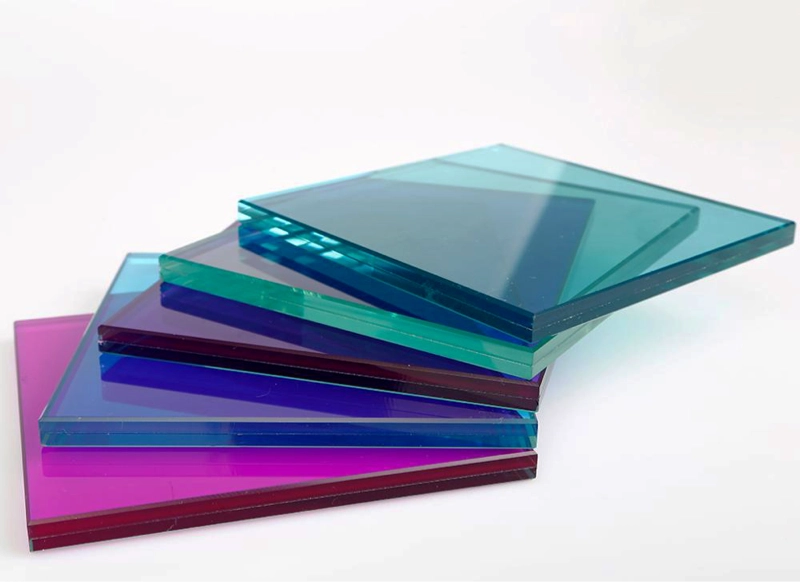
Engineers developed an advanced ionoplast polymer for extreme conditions. It handles massive structural loads securely. It targets complex security applications exclusively. The chemical bonds resist immense physical tearing. A SGP laminated panel acts differently than standard elastic films. It functions as a rigid structural component inherently.
Exceptional rigidity defines this advanced material completely. It acts as a composite structural element seamlessly. Deflection rates remain incredibly low under pressure. Post-breakage behavior sets the industry benchmark globally. It remains upright and flat securely. Both glass lites can shatter completely. The rigid core prevents dangerous fall-through scenarios. It offers flawless edge stability outdoors. It resists moisture penetration indefinitely. You can eliminate protective edge capping entirely. Frameless designs thrive under these stable conditions.
Fabrication requires specialized equipment strictly. Facilities need certified autoclave processing environments. Improper heating compromises ionoplast adhesion drastically. You must verify manufacturer certifications carefully. Custom configurations require extended production schedules. Lead times stretch longer than standard stock orders. Project managers must plan procurement cycles early.
Hurricane zones mandate this extreme durability routinely. Cyclone impact resistance saves structures from total destruction. Frameless balustrades require its rigid post-breakage behavior. Glass flooring demands absolute fail-safe structural retention. Blast-mitigation security glazing utilizes its ultimate tearing resistance. Marine environments test its edge stability perfectly. High-end retail facades showcase its flawless visual clarity.
Engineers calculate Shear Modulus to determine true rigidity. Deflection rates dictate panel thickness requirements. SGP allows for thinner overall glass compositions easily. It meets extreme wind-load requirements efficiently. Thicker standard panels add unnecessary dead weight. You optimize structural supports by reducing glass thickness. Building foundations bear less overall static load.
Visual clarity matters for premium architectural designs. We evaluate the Yellowness Index (YI) rigorously. Standard polymers degrade under intense solar radiation. SGP offers superior clarity permanently. It exhibits zero yellowing over decades. Low-iron glass applications demand this invisible core layer. You preserve pristine building aesthetics effortlessly.
Regional codes mandate strict compliance testing. Miami-Dade hurricane protocols challenge materials severely. Large missile impact tests destroy weak panels instantly. SGP passes these extreme tests reliably. Stringent anti-intrusion standards demand high tearing resistance. impact-resistant glass upgrades building security postures significantly. You mitigate severe environmental threats proactively.
Performance Metric | Standard Polymer | Ionoplast Core |
|---|---|---|
Structural Rigidity | Highly elastic, bends easily | Up to 100x stiffer |
Post-Breakage State | Sags and folds under load | Remains upright and flat |
Moisture Resistance | Poor, requires edge framing | Excellent, zero delamination |
Acoustic Control | Superior sound wave dampening | Standard sound dampening |
Visual Clarity (YI) | May yellow slightly over time | Permanent crystal clarity |
Project success demands a logical selection framework. You must evaluate environmental exposures carefully. Identify specific structural support mechanisms early. Consider aesthetic goals for exterior facades. Analyze local building codes thoroughly. architectural laminated glazing requires precise environmental matching. We utilize a straightforward decision matrix below.
Is the glass edge exposed to the elements? → Specify the rigid ionoplast core. Moisture destroys unprotected elastic polymers quickly.
Is acoustic privacy the primary goal (e.g., airport hotels)? → Specify acoustic elastic cores. They absorb loud environmental noise better.
Is it a minimally supported structural facade (point-supported)? → Specify the rigid ionoplast core. Bolted connections demand extreme tearing strength.
Is it a standard framed window wall in a temperate climate? → Specify the standard elastic polymer. Fully framed systems hide vulnerable edges effectively.
Follow this logic to avoid catastrophic material failures. You will balance visual demands against engineering realities. Speak with façade engineers regarding complex structural loads. They model deflection scenarios using specialized software. Precision guarantees long-term building safety.
Manufacturing high-performance panels demands extreme precision. You must audit fabricator certifications aggressively. The selected manufacturer must possess specialized processing credentials. Improper autoclave temperatures ruin ionoplast adhesion invisibly. Bubbles form inside the finished panel later. These defects compromise structural integrity completely. Demand quality control reports for every large batch.
Custom laminated safety glass requires longer lead times globally. Standard stock materials ship relatively fast. Advanced ionoplast panels require meticulous assembly processes. Complex cooling cycles extend production timelines further. You must integrate these delays into construction schedules. Order structural materials months ahead of installation dates. Rushed fabrication inevitably causes dangerous bonding failures.
Handling massive structural panels introduces significant site risks. Installers must avoid edge damage diligently. Tiny micro-fractures compromise the entire assembly eventually. Use specialized vacuum lifters for oversized facade elements. Protect corners during transit and crating meticulously. Proper blocking prevents edge stress during storage. Train site crews on structural glass vulnerabilities explicitly. Careless handling destroys expensive materials instantly.
There is no universal "best" interlayer. You must match the material to exact project conditions. PVB remains the undisputed choice for framed acoustic safety. It dampens noise efficiently. SGP is non-negotiable for exposed, structural, and extreme-weather applications. It delivers unparalleled rigidity reliably. You secure long-term safety by respecting these boundaries.
Specifiers must consult their structural engineers early. Calculate exact wind loads before finalizing architectural drawings. Map out precise edge exposure zones accurately. Reach out to a certified glass fabricator promptly. Request project-specific prototyping to verify visual clarity. Verify manufacturer credentials to ensure proper adhesion processing.
A: EVA (Ethylene Vinyl Acetate) serves primarily as a decorative alternative. You often see it inside solar panels. It bonds aggressively to non-glass materials. It resists moisture better than standard options. However, EVA lacks essential structural rigidity. You cannot use it for load-bearing applications safely. SGP provides vastly superior strength for demanding architectural environments.
A: Modern building codes heavily restrict standard elastic polymers here. Frameless balcony applications lack supporting edges. A shattered panel droops rapidly. It folds under its own heavy weight. This sagging creates immediate fall-through hazards. Authorities now mandate rigid ionoplast materials instead. You must specify stiffer interlayers for all exposed balustrades.
A: Edge exposure dictates the overall lifespan completely. Standard polymers degrade quickly outdoors. Moisture attacks unprotected edges aggressively. You will see cloudy edges within a few years. SGP resists moisture indefinitely. It requires no edge capping for long-term stability. Covered edges extend traditional panel lifespans significantly.
A: SGP adds exceptional structural rigidity. However, rigidity alone does not stop projectiles. Ballistic performance relies upon multi-ply compositions. You must combine glass and polycarbonate layers strategically. Swapping one interlayer type does not upgrade the ballistic rating automatically. Consult specialized security guidelines for proper bullet-resistant configurations.


