Views: 0 Author: Site Editor Publish Time: 2026-05-21 Origin: Site


Architects and developers constantly push the boundaries of modern design. They increasingly prioritize "bigger panels, fewer joints" to maximize uninterrupted visual sightlines. This ambitious approach boldly redefines both modern commercial structures and premium residential exteriors. However, transitioning from standard glazing solutions to a continuous exterior introduces very complex engineering realities. It requires precise alignment between your overarching architectural vision, strict manufacturing limits, and highly rigorous structural engineering. Ignoring these critical factors often leads to costly project delays or dangerous structural failures down the line. To prevent this, we will provide an evidence-based framework for evaluating, specifying, and successfully installing these massive curtain walls. You will learn how to properly balance stunning aesthetic continuity with strict structural compliance and real-world logistical feasibility.
Sightline Optimization: Oversized panels eliminate intermediate mullions and transoms, significantly increasing transparent surface area.
Manufacturing Thresholds: Modern fabrication supports jumbo IGU (Insulated Glass Units) configurations reaching 6 meters and beyond, but necessitates strict thermal and wind load evaluations.
System Integration: Successful implementation requires choosing between structural silicone glazing (SSG) and point-supported assemblies based on dead load and deflection tolerances.
Logistical Risk Management: Sourcing large format facade glass demands early-stage planning for specialized transport, site access, and heavy-duty vacuum lifting equipment.
Standard glass dimensions force architects into rigid exterior grids. They require numerous vertical and horizontal framing members. These opaque framing lines break visual continuity. They also increase framing material volumes unnecessarily. Designers increasingly want to escape these visual interruptions. They seek complete transparency to merge indoor and outdoor environments seamlessly.
The oversized solution offers a clear path forward. You can utilize a jumbo size glass facade to shift the building envelope entirely. It transforms a highly segmented grid into a monolithic transparent barrier. This shift radically improves exterior aesthetics. It delivers a sleek, futuristic appearance highly sought after in premium real estate markets. The elimination of transoms allows natural daylight to penetrate much deeper into interior spaces.
We see these applications expanding rapidly across multiple demanding sectors. High-visibility podiums rely on them for massive visual impact. Ground-floor retail storefronts use them to showcase luxury merchandise without visual obstruction. Modern airport terminals maximize natural light through them to improve passenger comfort. Premium residential villas adopt them for fully-glazed concepts. They frame sweeping landscape views without ugly aluminum divisions.
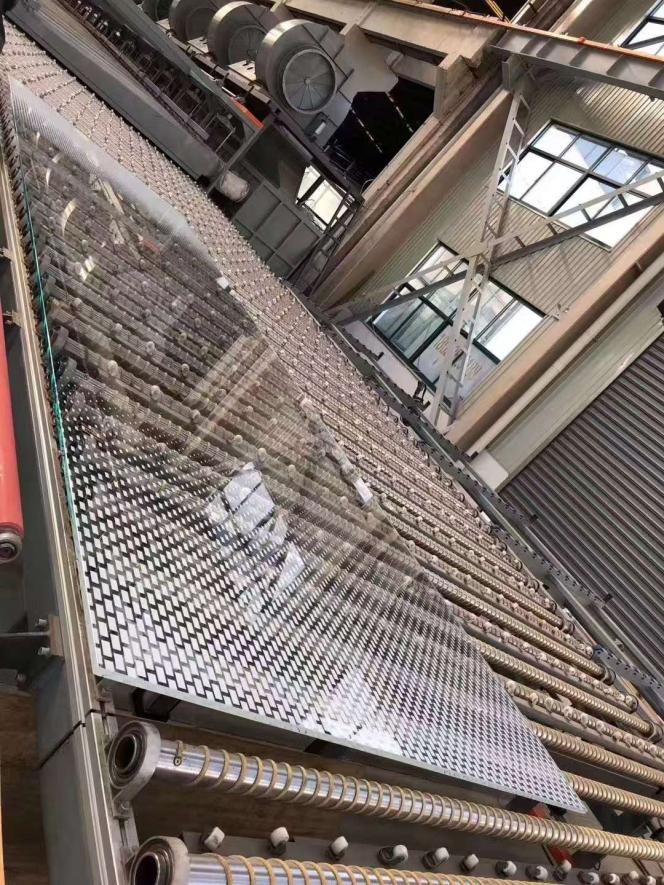
Let us define what qualifies as a jumbo panel. Standard panels typically measure around 3.3 meters by 2.4 meters. Jumbo units blow past these traditional limits. They routinely push into 6-meter to 8-meter lengths. Some specialized global factories can even exceed 18 meters for highly custom projects. You must verify local fabrication limits before finalizing your design.
Configuration options are surprisingly diverse today. Jumbo IGUs balance large-format aesthetics against vital energy performance. They must meet stringent U-value and SHGC requirements. We also must consider critical safety layers. Laminated safety glass provides necessary post-breakage structural integrity. Designers must choose carefully between different interlayer materials for these massive spans.
Below is a simple comparison chart detailing interlayer options for large-format applications:
Feature | PVB (Polyvinyl Butyral) | SGP (SentryGlas Plus) |
|---|---|---|
Structural Stiffness | Standard flexibility, prone to edge sagging in massive sizes. | Up to 100 times stiffer. Ideal for extreme spans. |
Post-Breakage Strength | Holds shards but may collapse under high wind loads. | Remains rigid and stays in the frame even when broken. |
Edge Stability | Vulnerable to moisture delamination over time. | Highly resistant to moisture and edge weathering. |
Low-E coatings introduce another major manufacturing hurdle. Factories must maintain strict coating uniformity across massive surface areas. Inconsistent metallic coatings cause ugly visual banding. Quality tolerances require rigorous factory management. Inherent visual distortions become magnified in jumbo size glass. You must account for roller wave and anisotropy. These fabrication byproducts distort exterior reflections. They can ruin the intended monolithic look if poorly managed.
Always request full-size visual mock-ups before mass production.
Specify maximum allowable roller wave limits in your tender documents.
Consult your fabricator about low-E coating availability for your desired dimensions.
Exponential surface area increases change structural physics entirely. Wind-induced stress scales aggressively on an oversized glass panel. Center-of-glass deflection limits become critical design drivers. Engineers typically design to L/175 limits or similar standard code equivalents. You cannot ignore these wind load limits. Excessive deflection causes seal failure in insulated units. It also terrifies building occupants.
Panel weight skyrockets alongside increased dimensions. Massive spans dictate thicker individual lites. You will often need 10mm, 12mm, or even 15mm glass to maintain required rigidity. This cascading effect severely impacts your facade framing weight. The supporting aluminum or steel structure must handle these immense dead loads safely. Deflection in the supporting frame transfers destructive stress back into the brittle glass edges.
Thermal stress presents another major risk factor. Massive panels absorb substantial solar heat throughout the day. This uneven absorption creates severe thermal gradients across the unit. Edges hidden in cool framing expand differently than the hot center. This dictates the strict requirement for heat-strengthened or fully tempered processing. Unprocessed annealed glass will crack under these extreme thermal strains.
Failing to calculate edge bite depths accurately for high wind zones.
Underestimating the building's live load deflections above the facade.
Ignoring the extreme dead weight impact on floor slab anchor points.
Securing these massive systems demands highly specialized approaches. Structural Silicone Glazing (SSG) remains incredibly popular for these designs. You utilize deep, high-strength structural silicone bites. They transfer wind loads from the massive panel back to concealed supports. These hidden supports often include thick glass fins or heavy reinforced steel framing. SSG eliminates exterior pressure plates completely.
Point-supported architectural glazing offers another compelling structural route. You employ heavy-duty spider fittings, tension cables, or glass fins. These mechanical methods eliminate opaque framing entirely. They strictly maximize the "fewer joints" architectural philosophy. However, they require precisely drilled holes in the glass. This requires perfect factory precision before tempering.
Bite and edge clearance require critical evaluation during detailing. You must size perimeter edge spacing perfectly. It accommodates massive thermal expansion during hot summer months. It also accounts for inevitable building sway during high winds. Insufficient edge clearance guarantees catastrophic glass breakage.
Survey the primary concrete or steel structure for strict dimensional tolerances.
Install heavy-duty mounting brackets using laser alignment tools.
Hoist the massive panel using dual-circuit vacuum lifters.
Set the panel on precisely sized setting blocks to distribute dead loads.
Apply structural silicone and monitor local climate conditions during curing.
Logistics will absolutely make or break your installation. Sourcing large format facade glass demands extreme caution and early planning. Factory capability means nothing if you cannot transport the units safely to the site.
Moving panels exceeding 6 meters requires highly specialized flatbed trailers. You often need police escort vehicles for safe highway transit. Project managers must conduct strict route clearance assessments months in advance. They must check bridge heights, overhead wires, and tight urban corners. A single tight turn can halt delivery entirely.
Site access often presents severe physical constraints. You must safely offload and store these jumbo units upon arrival. Construction sites are chaotic environments. Poor storage practices risk devastating edge damage. Even a tiny micro-fracture on the edge can cause eventual panel failure.
You must source specialized lifting equipment well in advance. Standard lifters will fail catastrophically. You need custom dual-circuit vacuum lifters. You also need massive suction cup arrays mounted to heavy-duty tower cranes. They handle multi-ton dead weights safely during high-altitude installations. Strong wind gusts during lifting operations present immense danger.
Procurement timelines require honest acknowledgment. Large format glass processing involves greatly extended lead times. Factory queues for oversized tempering ovens are long. Site breakages cause severe timeline impacts. A broken panel can delay a project closure by several months while awaiting a replacement unit.
Jumbo size facades offer unparalleled architectural continuity. They create breathtaking, monolithic building envelopes. However, they shift your project focus dramatically. You must move away from standard procurement mentalities. You must embrace highly engineered, logistics-first execution strategies.
Decision makers must take immediate action during early design phases. First, engage specialized facade consultants alongside structural engineers immediately. Second, validate maximum viable dimensions with regional glass manufacturers. Third, confirm your structural wind loads before tendering the project. Finally, secure robust handling and transport budgets before finalizing your overall facade intent. Preparation guarantees seamless execution.
A: Modern manufacturing limits typically range from 6 meters to 18 meters. It heavily depends on the specific factory capabilities and regional infrastructure. Keep in mind availability strictly dictates both project cost and fabrication lead time. Always verify maximum factory limits during the early schematic design phases.
A: Yes, standard aluminum extrusions are usually insufficient. Massive panels generate immense dead loads. They require custom-reinforced steel profiles, structural glass fins, or deep Structural Silicone Glazing (SSG) systems. You must heavily engineer the framing to prevent excessive deflection and edge stress.
A: Framing material volume decreases significantly as mullions are removed. However, the overall net installation cost usually increases. You pay a substantial premium for the manufacturing cost per square meter. Specialized highway transport, custom crates, and heavy mechanical hoisting add heavy logistical expenses.


