Views: 0 Author: Site Editor Publish Time: 2026-06-25 Origin: Site


The architectural demand for uninterrupted sightlines has pushed the limits of modern glazing. Consequently, super-size facade glass has become a standard requirement for flagship commercial developments. Designers increasingly favor immense transparent expanses to seamlessly connect interior spaces to the outside world. However, designing this way introduces compounding risks. The transition from standard dimensions to jumbo scales exponentially increases technical manufacturing constraints. It also magnifies shipping complexities and installation liabilities. We must approach these massive panels using rigorous engineering protocols. This article provides facade engineers, specifiers, and procurement teams an objective framework. You will learn how to evaluate manufacturing viability and mitigate logistical bottlenecks. We will also help you shortlist qualified suppliers for complex international projects.
Sourcing jumbo size float glass requires aligning design intent with strict manufacturing thresholds (e.g., maximum tempering furnace dimensions and coating line capacities).
Optical distortion and structural deflection risks scale with size; specifying jumbo low-iron glass requires stricter tolerances for roller wave and edge dip.
Global logistics, not just manufacturing, dictate project feasibility. Specialized A-frame stillages, open-top containers, and complex route planning are non-negotiable cost and timeline drivers.
Supplier evaluation must extend beyond stated capacity to include proven track records in high-yield specialized packaging, international compliance, and on-site delivery orchestration.
Architects constantly seek seamless building envelopes. They desire completely transparent walls. This aesthetic choice minimizes visible mullions. Yet, structural physics impose strict boundaries. We must balance visual ambition against heavy environmental loads. Immense panels endure significant wind pressures. They bend under environmental stress. Structural deflection limits dictate specific glass thicknesses. The larger the surface area, the thicker the glass required.
Thermal stress also becomes a dominant factor. A large-format glass panel absorbs massive amounts of solar radiation. Temperature differentials across the surface can trigger spontaneous breakage. Engineers mitigate this through precise heat treatment. They analyze climate data to specify optimal thermal strengthening parameters.
Performance expectations further complicate production. Modern facades must insulate interiors properly. Energy codes demand strict thermal insulation. Low-E coatings reduce energy loss effectively. However, applying these microscopic layers evenly across gigantic surfaces tests manufacturing limits. Any inconsistency creates visible banding on the building exterior.
Optical clarity presents another major engineering hurdle. Visual distortions amplify dramatically at large scales. Anisotropy appears as iridescent spots under polarized light. Roller waves create funhouse mirror effects. These distortions ruin the visual purity of the facade. Furthermore, increasing panel thickness introduces a noticeable green tint. Standard float glass contains iron oxides. To counter this discoloration, specifying jumbo low-iron glass proves essential. It guarantees true color rendering and pristine visual clarity.
Not every factory handles massive dimensions successfully. You must verify actual production limits. Theoretical catalog sizes often fail in real-world yield scenarios. A factory might advertise an impressive maximum length. However, its tempering furnace might struggle. Quenching massive sheets evenly presents a severe thermodynamic challenge. Insufficient quenching leads to weak structural points.
We differentiate between maximum machine size and reliable yield size. High scrap rates delay projects. Evaluate the supplier's furnace width carefully. Assess their precise quenching capabilities. Heating massive sheets evenly prevents excessive bow and warp.
Coating and lamination constraints introduce further bottlenecks. Factories use either on-line or off-line Low-E coating methods. Off-line sputtering provides superior thermal performance. Yet, oversized vacuum chambers are rare. Laminated safety glass requires massive autoclaves. These pressurized heating vessels fuse interlayers securely. Autoclave size limits frequently dictate the maximum possible laminated panel dimensions.
Edge processing demands extreme precision. Computer Numerical Control (CNC) machines must handle massive weights. They perform precise edge deletion for structural silicon bonding. They polish edges to eliminate microscopic flaws. Precision hole drilling on extreme-scale panels poses high risks. Any micro-fracture during drilling compromises overall structural integrity.
Quality assurance protocols require strict validation. You must demand verifiable testing documentation. Check thermal soak records carefully. This test reduces spontaneous breakage risks from nickel sulfide inclusions. Verify bow and warp tolerances physically. Visual inspections must align strictly matching EN 1863 or ASTM C1048 standards.
Manufacturing Constraints Comparison | ||
Process Capability | Standard Architectural Glass | Jumbo Size Float Glass |
|---|---|---|
Tempering Furnace | Commonly available globally | Requires highly specialized extra-wide beds |
Low-E Coating | Standard off-line vacuum chambers | Limited by massive vacuum chamber availability |
Edge Polishing | Standard vertical/horizontal CNC | Requires heavy-duty, high-payload CNC tracking |
Quality Inspection | Automated optical scanners | Requires customized wide-format scanner calibration |
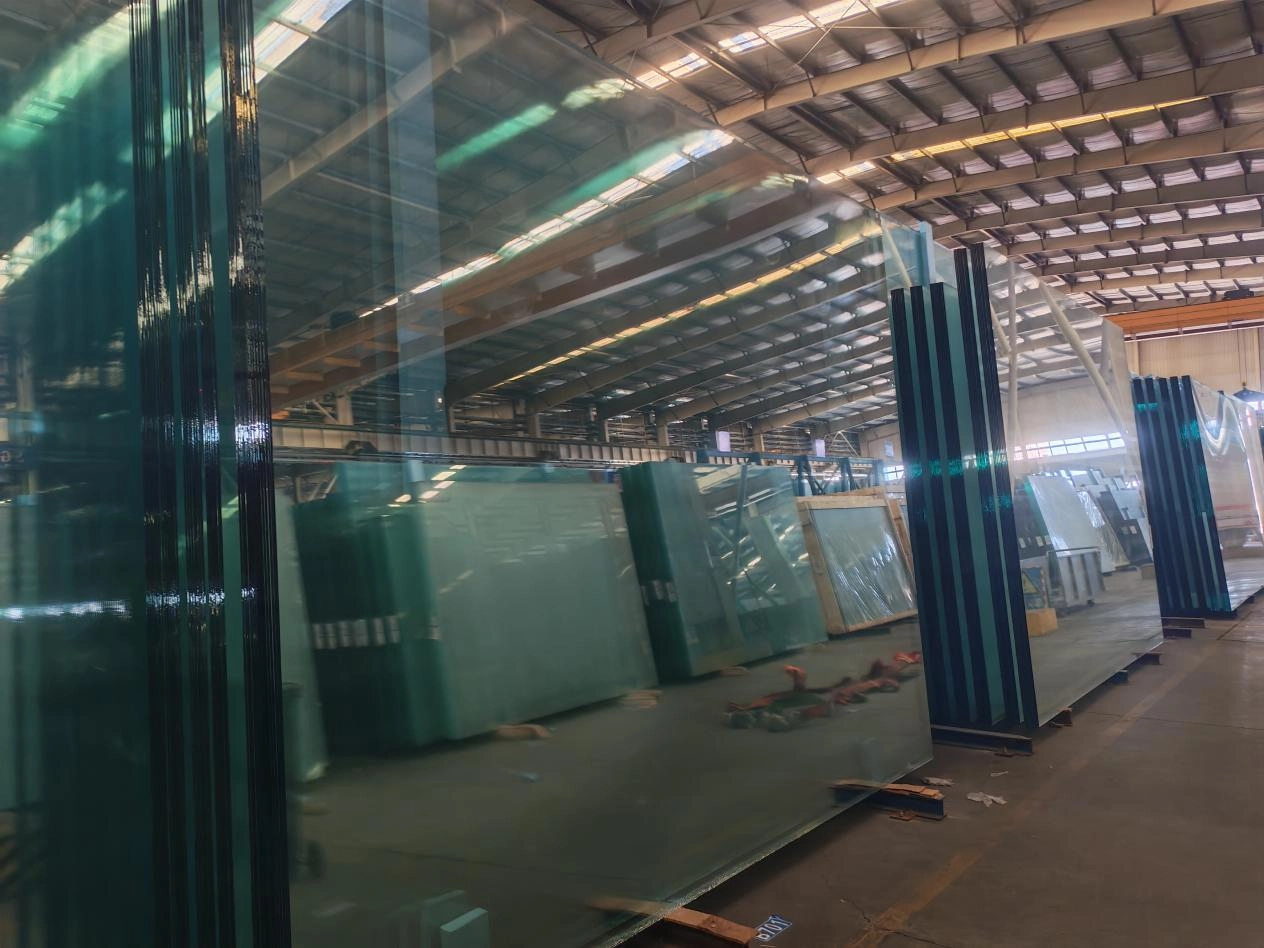
Transporting fragile giants requires exceptional engineering. Standard wooden crates fail under these immense weights. Factories must design custom packaging solutions. We rely heavily on engineered reinforced steel stillages. You will commonly specify A-frames or L-frames. Manufacturers customize these frames for exact dimensions. They prevent the jumbo size float glass from flexing. Flexing inevitably leads to catastrophic transit damage.
Maritime shipping realities dictate project timelines. Standard shipping containers have strict dimensional limits. Massive panels rarely fit inside closed standard boxes. Navigating these limitations requires logistical expertise. Planners must utilize open-top containers or flat racks. Sometimes, specialized break-bulk vessels offer the only viable route. These specialized shipping methods require months of advanced booking.
Port handling introduces transshipment vulnerabilities. Cranes lift heavy stillages from trucks to ships. Every movement multiplies the risk of breakage. Port crane capacities vary wildly across regions. You must verify destination port lifting limits early. Risk mitigation demands strict monitoring. Install shock and tilt monitors on every single frame. These devices provide accountability during international transit. They record any rough handling incidents precisely.
Consider these essential global export best practices:
Deploy custom-welded steel stillages featuring industrial rubber vibration dampeners.
Use specialized inter-leaving powder to prevent glass surfaces from scratching each other.
Book open-top containers at least three months prior to the required shipping date.
Ensure your cargo insurance explicitly covers oversized fragile maritime freight.
Hire independent marine surveyors to supervise port loading operations.
The hardest journey often happens near the job site. We call this the last mile challenge. Urban environments present incredibly complex obstacles. Tight streets restrict long-bed trailers. Planners must assess site topography thoroughly. Check urban street turning radiuses. Look for low bridges or restrictive overhead power lines. Plan crane positioning long before finalizing panel specifications.
Standard lifting gear cannot handle these panels safely. Sourcing specialized lifting equipment remains mandatory. You need high-capacity vacuum lifters. These lifters feature dual independent vacuum circuits for safety. Counter-weight rigs balance the massive loads. Using equipment designed specifically for oversized architectural glass prevents fatal site accidents. Installers must undergo specialized training to operate this heavy machinery.
Weather variables heavily dictate installation schedules. Wind limits severely impact hoisting operations. Large surface areas act exactly like ship sails. Even mild wind gusts create uncontrollable swinging. Project managers must monitor micro-climate forecasts closely. Handling variables also increase breakage risks. Edge damage risks peak during final frame placement. Glaziers must use specialized guide ropes. They must maneuver the massive sheets into structural channels flawlessly.
Common installation mistakes include:
Failing to conduct a full route sweep from the port to the construction site.
Attempting to hoist massive panels during marginal wind conditions.
Using vacuum lifters rated for standard glass weights instead of heavy-duty units.
Neglecting to use edge protection blocks during ground staging.
Evaluating suppliers requires hard, empirical evidence. Ignore flashy marketing brochures. Look deeply into their actual operational history. Request comprehensive technical spec sheets. Ask for their historical yield rates regarding massive panels. A qualified supplier shares specific project case studies willingly. They prove their competence handling similar dimensions. Call their past clients to verify delivery reliability.
You must understand all transparent cost drivers. Scrap rates severely impact manufacturing expenses. Specialized shipping adds immense overhead. Maritime insurance premiums change project viability entirely. Ask suppliers to break down these specific variables. A trustworthy partner highlights these logistical expenses upfront. They never hide transit complexities to win a bid.
Take actionable steps immediately during the schematic design phase. Do not wait until construction begins. Engage suppliers early. Request comprehensive structural feasibility reviews. Provide them with preliminary wind load calculations. Schedule visual mock-up (VMU) and performance mock-up (PMU) timelines. Building a full-scale PMU reveals hidden design flaws early. It allows teams to test water penetration and structural deflection safely.
Executing a large-scale facade requires rigorous risk management. Early alignment ensures a successful project. You must harmonize the architectural vision alongside manufacturing realities. Logistical planning must begin during the initial design phase. Do not underestimate the complexity of moving massive fragile objects globally.
Always prioritize suppliers demonstrating complete operational transparency. They must acknowledge their technical limitations honestly. Choose partners possessing a verified track record. They need proven experience in specialized global export. By following these strict engineering protocols, your next iconic development will achieve structural integrity and breathtaking visual clarity.
A: Industry standard jumbo dimensions typically measure 3210mm x 6000mm. However, advanced manufacturers now produce "super jumbo" capabilities reaching up to 18 meters in length. Local processing limits, particularly tempering furnace widths and autoclave capacities, ultimately dictate the final achievable size for your specific project.
A: Yes. Custom stillage fabrication, specialized freight booking, and lower manufacturing yield rates extend lead times significantly. You should expect an addition of several weeks to months compared to standard glazing schedules. Early procurement engagement is critical to avoid construction delays.
A: Larger panels require thicker glass to meet structural wind loads. Thicker standard clear float glass exacerbates its natural green tint due to iron oxides. Low-iron glass removes these impurities. It mitigates the green hue, ensuring true color rendering and superior visual clarity.
A: Manufacturers manage risks using custom-welded steel A-frames. They apply specialized inter-leaving powders to prevent surface friction. Shippers attach shock and tilt sensors to monitor handling. Finally, comprehensive marine cargo insurance policies specific to fragile oversized freight protect the project financially against catastrophic transit damage.


