Views: 0 Author: Site Editor Publish Time: 2026-06-28 Origin: Site


Architectural design constantly wrestles a fundamental tension. Planners desire breathtaking natural light transmission. Yet they must strictly satisfy demanding safety liabilities. We evaluate engineered glass floor systems built for high-traffic environments. These include bustling retail centers, corporate offices, and sprawling public institutions. Successful specification requires moving far beyond pure visual appeal. You must rigorously evaluate load-bearing redundancy. You must also verify slip-resistance durability and long-term maintenance realities. A beautiful surface means nothing if it fails under heavy foot traffic. Space owners face severe risks if these materials lack proper engineering. Read on to discover how to navigate the complex landscape of transparent flooring. You will learn the exact structural requirements necessary to ensure public safety. We also explore the slip-resistant finishes keeping pedestrians secure in wet conditions. Proper planning ensures your installation lasts decades without experiencing catastrophic failure.
Commercial glass flooring requires multi-ply laminated structures, specifically engineered to meet or exceed local building code live-load requirements (typically 100+ psf).
Anti-slip treatments are non-negotiable for liability mitigation; acid-etched and ceramic frit patterns offer different balances of traction and transparency.
The structural framing system is as critical as the glass floor panel itself—deflection limits must be strictly controlled to prevent glass fatigue or failure.
Long-term viability relies heavily on specifying sacrificial top layers and establishing strict, chemical-aware maintenance protocols.
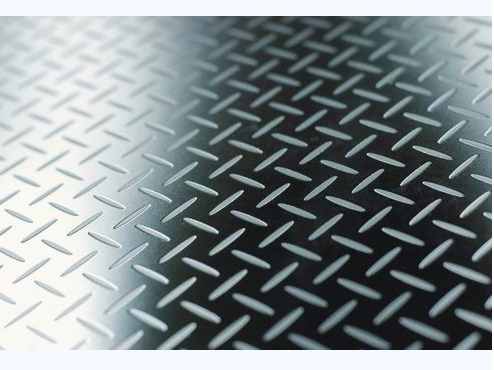
Structural failure carries catastrophic liability. Space owners need verifiable assurance. They must know the system handles static and dynamic forces effortlessly. It cannot compromise structural integrity at any point. A failing structural glass floor endangers lives and invites massive legal consequences.
Understanding the difference between live and dead loads proves critical here. Engineers calculate these metrics meticulously to ensure complete safety.
Dead Load: This represents the fixed weight of the materials. A multi-layer glass floor panel is exceptionally heavy. The structural framing must accommodate this immense base weight. It does this long before pedestrians ever step onto the surface.
Live Load: This accounts for dynamic weight. It includes foot traffic, rolling equipment, and shifting point loads. Standard commercial requirements typically mandate supporting 100 pounds per square foot (psf). Concentrated point load minimums also apply. They simulate the impact of heavy localized pressure like a cart wheel or a maintenance ladder.
Glass makeup requires profound redundancy. Multi-ply laminated glass provides the foundation for safety. Manufacturers use three or more separate layers. They utilize tempered or heat-strengthened glass for maximum durability. Stiff structural interlayers sit firmly between these glass panes. Materials like ionoplast (SGP) offer immense rigidity. They maintain full load-bearing capacity even if one glass ply fractures. This fail-safe mechanism protects users entirely. The floor holds its shape and strength until replacement occurs.
Deflection limits dictate framing engineering. The supporting structural grid must adhere to rigid deflection tolerances. Engineers often specify L/500 or stricter limits. Rigid framing prevents the glass from bending under stress. Excessive bending causes the glass to break. A stiff frame ensures the glass remains fully supported. It transfers the applied loads safely into the surrounding building structure.
An untreated commercial glass flooring surface creates a severe slip-and-fall hazard. Moisture transforms smooth glass into a dangerous rink. Anti-slip compliance stands as a non-negotiable safety mandate. Projects must meet the Americans with Disabilities Act (ADA) guidelines. They must also pass local dynamic coefficient of friction standards. Failure to comply invites severe legal scrutiny.
You must select reliable solution categories for slip resistance. Different treatments yield varying results regarding aesthetics and traction.
Acid-Etched Patterns: This process micro-etches the top surface. It provides excellent, permanent traction. It diffuses light softly across the room below. The treatment is highly durable against foot traffic. However, it reduces absolute transparency significantly.
Ceramic Frit (Silkscreening): This method bakes a slip-resistant ceramic pattern directly onto the surface. It allows for highly custom patterns like dots or lines. It preserves higher clear-glass visibility between the textured spots. The raised pattern may wear down over decades of extreme foot traffic.
Architects face a complex decision framework. They must balance traction against transparency carefully. You must evaluate the specific environment thoroughly. Maximizing grip matters most in high-risk areas. Entryways exposed to rain require aggressive anti-slip textures. Internal office bridges might prioritize visibility over maximum friction. A properly specified anti-slip glass floor ensures safety without entirely sacrificing daylight.
We can summarize these options in a simple comparison chart:
Treatment Type | Traction Level | Transparency Impact | Durability Expectation |
|---|---|---|---|
Acid-Etched | Very High | High Light Diffusion (Low Clarity) | Permanent |
Ceramic Frit | Moderate to High | Maintains Partial Clear Vision | High (May smooth under heavy traffic) |
System synergy dictates overall success. A walkable glass system is only as strong as its underlying frame. Sourcing components from different vendors increases failure risk exponentially. It also complicates warranties and delays project timelines. Unified systems ensure seamless compatibility from day one.
Framing materials demand careful consideration. Aluminum and steel dominate the commercial market.
Aluminum extrusions provide distinct architectural advantages. They resist moisture effortlessly. They do not rust even in humid environments. Installers appreciate their lighter weight during complex multi-story installations. Conversely, steel beams offer undeniable strength. Engineers specify steel when spans exceed standard dimensions. Heavy foot traffic over wide atriums demands steel supports. However, steel mandates meticulous painting or galvanizing. Moisture exposure causes rapid degradation if left unprotected.
Gaskets and setting blocks play crucial protective roles. They isolate the glass from the metal frame effectively. Installers typically use EPDM or silicone isolators. These components prevent dangerous glass-to-metal contact. They absorb micro-vibrations generated by heavy footsteps. They also accommodate thermal expansion as room temperatures fluctuate. Rigid contact causes stress concentrations and subsequent glass fractures.
Implementation requires perfect flush transitions. The glass must sit perfectly level adjacent to other materials. You must align it flawlessly alongside tile, wood, or concrete. Protruding edges create severe trip hazards. Recessed panels collect dirt and moisture rapidly. Proper engineering accounts for the exact depth of the framing channel. It guarantees a smooth, uninterrupted walking surface.
Adoption carries inherent aesthetic risks. Glass scratches under heavy use. Commercial buyers must maintain realistic expectations regarding wear. Foot traffic, abrasive grit, and sharp high heels damage unprotected surfaces continuously. You cannot prevent all surface imperfections over decades of continuous use. Deep scratches diminish visual appeal rapidly. Dirt accumulates inside microscopic grooves. This makes the floor appear constantly dirty.
The sacrificial top layer strategy solves this problem elegantly. Engineers design a multi-layer panel purposefully. The top layer functions as an independent, replaceable shield. It receives the daily abuse intentionally. It protects the primary load-bearing plies situated below. If the surface becomes excessively scratched, you only replace this top sheet. This prevents the need to replace the entire heavy structural block. It minimizes facility disruption and lowers long-term resource demands.
Maintenance protocol constraints require strict adherence. You must establish clear cleaning guidelines immediately to protect the installation.
Prohibited Items: Never use abrasive scrubbing pads. They ruin the specialized finish instantly.
Chemical Restrictions: Ban ammonia-based cleaners entirely. Avoid acidic solutions. These harsh chemicals degrade slip-resistant frits over time. They can also attack the delicate laminating interlayers connecting the glass plies.
Routine Inspections: Schedule regular checks for all silicone seals. Inspect structural gaskets for signs of dry rot or displacement.
Facility managers must educate their cleaning crews thoroughly. Ignorance destroys expensive architectural features quickly. Placing protective walk-off mats at entrances captures destructive grit. Mats significantly extend the pristine appearance of your installation.
Selecting the right manufacturing partner determines project feasibility. You must establish stringent evaluation criteria early. A beautiful brochure does not guarantee structural safety or long-term durability.
Investigate their engineering support thoroughly. Do they provide project-specific, stamped structural engineering calculations? Avoid vendors offering only unverified off-the-shelf panels. Your project demands customized load assessments based on exact span dimensions.
Request comprehensive system testing documentation. Reliable manufacturers test their specific glass-and-frame combinations rigorously. They provide documented results matching relevant ASTM standards. Real-world testing proves theoretical calculations correct. It gives you the necessary confidence to proceed.
Assess custom versus modular capabilities carefully. Determine if your space requires a fully bespoke layout. Complex geometries demand custom engineering. Pre-engineered, modular grid systems often suffice for simple straightways or rectangular skylights. Modular options reduce lead times and streamline project expectations significantly.
Engage a manufacturer during the schematic design phase. This represents your most critical next step. Early collaboration aligns structural supports accurately. It defines depth requirements before contractors pour any concrete. It also grounds project expectations in reality before you finalize the floor plan. Late integration leads to expensive retrofitting and heavily compromised aesthetics.
Specifying functional glass structures requires careful planning. You must rigorously prioritize load redundancy. Anti-slip safety holds greater importance than pure aesthetics. A successful installation balances breathtaking transparency alongside uncompromising pedestrian security. Strict deflection limits prevent catastrophic material fatigue. Sacrificial layers protect your long-term investment from inevitable surface damage.
Take immediate action to safeguard your project. Always request detailed technical data sheets early in the process. Demand sample engineering calculations tailored to your exact span. Ask for physical anti-slip glass samples. Validate all manufacturer claims before procurement begins. Rigorous upfront verification ensures your striking architectural feature remains safe, durable, and visually stunning for decades.
A: Standard commercial installations typically support live loads of at least 100 pounds per square foot (psf). They also handle concentrated point loads easily. Engineers base exact capacities on the specific span and glass thickness. Always require stamped engineering calculations to verify the floor supports your intended traffic safely.
A: It does not block light transmission, which remains high. However, treatments like acid-etching diffuse the light softly. This reduces visual clarity and absolute transparency. You gain a beautiful glowing effect while preventing people from looking directly through the floor. Ceramic frits offer more transparency but slightly less continuous traction.
A: Multi-ply laminated designs provide fail-safe redundancy. If a top layer cracks from severe impact, the floor remains structurally sound. Stiff interlayers like SGP hold the broken pieces together firmly. The remaining intact plies support the load safely while you await the replacement of the damaged panel.
A: Yes, if properly specified. Best practices involve designing the panel with a sacrificial top layer. This independent shield takes the brunt of daily wear, scratches, and impacts. You can replace this single layer without disturbing the massive structural load-bearing block below. This strategy saves significant time and resources.


