Views: 0 Author: Site Editor Publish Time: 2026-05-31 Origin: Site


Upgrading an interior space often creates a difficult architectural dilemma. We want to flood our rooms with natural light, yet we simply cannot compromise on personal privacy. Finding a balance between a bright atmosphere and visual security often leads designers to compare two highly popular materials. Both options offer excellent privacy but represent fundamentally different structural approaches. One acts as a heavy masonry-style architectural feature, permanently fixed into the wall cavity. The other serves as a highly versatile framing insert, easily adapted to various window and door configurations.
This guide equips buyers with a practical decision framework. You will learn how to accurately evaluate privacy scales, daily installation realities, and baseline security ratings. By understanding these core differences, you can confidently evaluate glass block vs patterned glass. We will help you choose the optimal translucent barrier for your specific architectural needs without sacrificing natural illumination.
Form vs. Function: Glass blocks are structural, load-bearing-adjacent, and strictly fixed; patterned glass is a standard glazing option that allows for operable (opening/closing) windows.
Light & Privacy Retention: Both options maintain high Visible Light Transmission (VLT) while diffusing shapes, but specific privacy ratings (on a 1-10 scale) depend heavily on the chosen texture.
Security & Efficiency: Glass block offers superior baseline impact resistance and acoustic dampening. Patterned glass requires secondary upgrades (Low-E coatings, impact lamination) to achieve similar metrics.
Maintenance Realities: Patterned glass demands strategic installation (flat side facing wet areas), while glass block requires ongoing grout and mortar maintenance.
Before making a purchase, we must define exactly what these two materials are. They belong to completely different construction categories. Understanding their structural nature prevents costly design mistakes early in the planning phase.
Architects define a glass block as a hollow or solid masonry unit. Manufacturers fuse two halves of thick glass together. This process traps a pocket of air inside the block. Installers then piece these heavy units together using traditional mortar or modern silicone grid channels.
You must treat these units as permanent building elements. They act as a fixed translucent wall rather than a traditional window. Because they lack hinges or sliding tracks, they serve purely as stationary barriers. They bring a distinct retro or industrial aesthetic to a space. They also demand specialized masonry skills for proper installation.
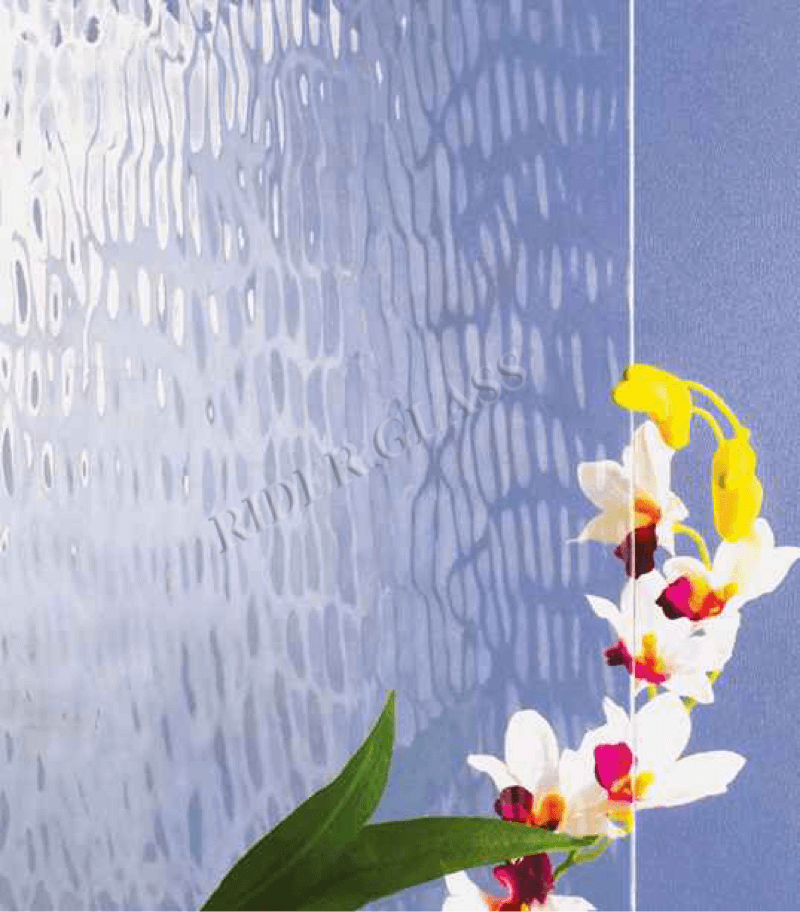
We define patterned glass as standard flat glazing treated for opacity. Manufacturers alter the smooth surface using acid-etching, sandblasting, or hot-molding techniques. This creates popular textures like fluted, rain, or frosted finishes.
Versatility remains its greatest advantage. Glaziers can cut these flat panes to fit almost any standard window frame. You can insert them into exterior doors, interior partitions, or custom shower enclosures. Unlike heavy masonry blocks, this material easily integrates into modern window systems. It allows for seamless operability and contemporary frame styling.
Privacy control often drives the final purchasing decision. Many homeowners worry about losing natural light when obscuring a window. Fortunately, modern translucent privacy glass and patterned glass solutions preserve bright interiors.
Many people mistakenly believe increased privacy equals a darker room. This is a common misconception. Visible Light Transmission (VLT) measures how much daylight passes through a glazing unit. Texture alters the physical refraction of light. It scatters the rays in multiple directions. It does not drastically reduce the total volume of light entering the room. You can achieve maximum visual obscurity while still enjoying a sunlit space.
Industry professionals evaluate obscurity using a standardized 1 to 10 scale. A rating of 1 offers minimal distortion, while a 10 provides complete shape concealment.
Material Type | Privacy Rating | Visual Effect | Best Application |
|---|---|---|---|
Seeded / Antique Patterned | 1 - 3 (Low) | Slight distortion, clear color transmission. | Cabinet doors, decorative transoms. |
Rain / Fluted Patterned | 4 - 6 (Medium) | Blurry outlines, strong light diffusion. | Interior office doors, living room accents. |
Standard Glass Block (Wave) | 6 - 7 (Medium-High) | Heavy distortion of objects over 2 feet away. | Basement windows, exterior hallway walls. |
Satin / Frosted Patterned | 8 - 10 (High) | Complete silhouette blocking. | Street-facing bathrooms, ground-floor showers. |
Ice / Diamond Glass Block | 8 - 9 (High) | Dense scattering, unrecognizable shapes. | High-security residential entries. |
You must evaluate your materials under the toughest lighting conditions. A critical evaluation criterion is the "Nighttime Illumination" test. We must observe how the glass performs when it is pitch dark outside and brightly lit inside.
During the day, exterior glare helps hide interior shapes. At night, this dynamic flips entirely. High-band privacy textures (like satin etched) and thick masonry units defend against silhouette-tracing far better than light-band patterned panes. If a window sits near a public sidewalk, you need a rating of 8 or higher to prevent nighttime visibility.
Aesthetic appeal only solves half the problem. We must also evaluate how these materials handle physical impact, extreme temperatures, and daily ventilation needs.
Your security needs dictate your material choices. Masonry blocks are inherently difficult to breach. A completed block wall acts as a robust physical barrier. Intruders cannot easily smash through thick glass blocks mortared together. This makes them ideal for ground-floor or basement applications in urban settings.
Standard decorative flat panes share the same vulnerabilities as regular clear windows. A determined intruder can shatter a standard textured pane quickly. To achieve competitive security, you must upgrade the flat pane. You can specify tempered safety glass or laminated impact-rated glass. Laminated options hold the shattered pieces together, providing a critical barrier against forced entry.
Energy efficiency and noise reduction play major roles in residential comfort.
Acoustic Dampening: The hollow core inside a glass block provides a massive advantage. It creates a natural thermal break. The dense mass and trapped air deliver excellent sound deadening (high STC ratings). They easily block street traffic noise.
HVAC Efficiency: A single pane of textured glass offers poor insulation. To match modern energy standards, fabricators must integrate it into a double-pane Insulated Glass Unit (IGU). They pair the textured pane with a clear Low-E coated pane. They then fill the gap with argon gas. This engineered unit drastically reduces heat transfer and lowers HVAC workloads.
Airflow requirements create a distinct dividing line between our two options.
Standard flat glazing is the clear winner for operability. Builders can install it in hung, casement, or sliding window frames. You simply unlatch the sash and open the window for fresh air.
Conversely, block walls remain fundamentally stationary. You cannot open a masonry wall. While specialized "vent blocks" exist, they introduce aesthetic problems. Vent blocks often look clunky, disrupt the uniform grid pattern, and provide minimal air circulation compared to a fully operable casement window.
Every building material carries a specific maintenance burden. Wet environments, like bathrooms and spa rooms, ruthlessly expose material flaws over time.
Deep physical textures capture dust, airborne grease, and soap scum. Heavily ribbed or hammered designs require diligent cleaning. If you scrub aggressively, you risk damaging delicate acid-etched finishes.
You must follow a strict installation mandate in wet areas. In custom showers, the smooth side of the pane must always face the water source. The textured side must face outward toward the dry room. This prevents hard water minerals from embedding into the deep grooves. You only need a basic squeegee to maintain the smooth interior surface.
The smooth glass face of a block cleans effortlessly. However, the surrounding structural joints present a massive long-term challenge. Mortar and grout lines remain highly porous. They are incredibly susceptible to mold and mildew in humid environments.
A block wall in a daily shower requires aggressive chemical cleaning. You must apply penetrating grout sealers annually. Eventually, the joints will discolor and crack, requiring tedious regrouting.
Task Category | Patterned Flat Glazing | Masonry Block Wall |
|---|---|---|
Daily Cleaning | Quick squeegee on the smooth side. | Wipe down glass; scrub grout lines carefully. |
Deep Cleaning | Use non-abrasive glass cleaner. | Use specialized mildew removers for mortar. |
Annual Maintenance | Inspect vinyl or silicone weatherstripping. | Re-apply high-grade grout sealant. |
Long-Term Repair | Replace failed IGU seals if fogging occurs. | Grind out crumbling mortar and regrout entire wall. |
Selecting the right product requires evaluating your specific room constraints. We will look at three common architectural scenarios. This practical framework will guide your final purchase.
Bathrooms located on the ground floor near public sidewalks demand maximum privacy. They also require excellent moisture management.
Assess your ventilation needs first. If the bathroom lacks a strong exhaust fan, you must have an operable window. Choose a high-privacy frosted pane installed in an awning frame.
If ventilation is already handled mechanically, evaluate security. If break-ins are a concern, a thick block window provides peace of mind. It allows abundant light while physically blocking entry.
Recommendation: Flat glazing (if ventilation is needed) or block wall (if ground-floor security is the primary concern).
Modern shower design favors clean lines and minimal visual clutter. Space is often tight.
Evaluate the footprint. A standard wall of blocks consumes nearly four inches of floor space. Flat glazing requires a fraction of an inch.
Consider cleaning fatigue. Flat panes eliminate porous grout lines entirely.
Look at design trends. Reeded or fluted panels offer a highly sought-after contemporary look.
Recommendation: Flat decorative glazing. It takes up significantly less footprint and entirely avoids high-maintenance grout lines in direct water paths.
Entryways require a delicate balance of welcoming light and defensive privacy. You want to see who is at the door without exposing your living room to the street.
Determine frame compatibility. Wood and fiberglass doors require slim inserts. Block masonry cannot integrate into a swinging door.
Consider layered hybrid designs. Manufacturers can seal decorative textures inside two clear panes. This creates a smooth exterior for easy cleaning while preserving the inner texture.
Evaluate adjustable options. You can pair flat panes with enclosed micro-blinds for adaptable privacy control.
Recommendation: Flat glazing inserts. This allows for seamless integration with specialized door frames and hybrid glass designs.
The choice ultimately comes down to prioritizing your specific lifestyle needs. If you value fresh airflow, sleek modern aesthetics, and minimal floor footprint, flat decorative glazing remains your best option. It easily integrates into operable window frames and modern door systems. Conversely, if you require maximum physical security, permanent structural integrity, and excellent acoustic dampening, classic masonry units deliver unmatched performance.
Before contacting a supplier, assess your technical constraints carefully. Check your existing window framing limits. Determine your local HVAC efficiency requirements. Finally, ask yourself if the window absolutely needs to open. Answering these basic structural questions will immediately narrow down your options. By prioritizing function alongside aesthetics, you ensure a lasting, beautiful, and secure translucent solution for your home.
A: Yes. Manufacturers achieve high energy efficiency by incorporating the textured pane into a double-glazed Insulated Glass Unit (IGU). They pair the textured glass with a clear pane coated in Low-E material. They then fill the sealed airspace with dense argon gas. This setup dramatically improves thermal performance.
A: Not completely, but it performs exceptionally well. The internal hollow space and thick physical mass offer significantly higher Sound Transmission Class (STC) ratings than standard single-pane obscure windows. It effectively dampens street traffic and neighborhood noise.
A: Glass block generally carries higher labor costs. It requires specialized masonry skills, mortar mixing, and slower assembly times. Patterned glass relies on standard glazier installation rates. It simply drops into standard window frames or door cutouts rapidly.
A: No. Translucent privacy glass and patterned glass, as well as glass blocks, obscure views from both directions permanently. They scatter light both day and night. For one-way views, you must install reflective mirror window films or advanced smart glass systems.


