Views: 0 Author: Site Editor Publish Time: 2026-06-19 Origin: Site


Commercial architecture places high liability on life-safety systems. Specifying non-compliant glazing directly leads to failed inspections, expensive tear-outs, and severe safety failures during active emergencies. Industry professionals must discard the myth of "fireproof glass." No glazing material is invincible to continuous extreme infernos. Building codes strictly classify materials as "fire-protective" or "fire-resistant" based on tested endurance limits rather than absolute invulnerability.
Navigating the overlapping requirements of International Building Code (IBC) Chapter 7 creates heavy headaches on job sites. Project teams frequently over-specify, burning through project funds unnecessarily. Worse, they under-specify, resulting in hard code violations that halt occupancy. The confusion usually peaks when distinguishing between simple flame barriers and systems designed for complete heat containment. We are laying out a definitive framework for evaluating, selecting, and procuring the correct glass systems. You will learn how structural requirements, testing standards, and complete assembly compatibility dictate material choices.
Protective vs. Resistive Distinction: The primary driver of material cost and application suitability is whether the glass simply blocks flames/smoke (protective) or actively blocks radiant heat transfer (resistive).
The System Dependency Rule: A fire resistant glass panel is only compliant when installed within a framing system that carries an equal or greater fire rating.
Verification is Permanent: Code compliance relies heavily on the permanent, etched labeling on every panel; field modifications will immediately void these critical certifications.
Testing Rigor Dictates Application: Certifications must align with specific regional testing standards (e.g., the North American Hose Stream Test) to satisfy local Authority Having Jurisdiction (AHJ) requirements.
Weight and Lead Times are Critical: High-rated insulated fire glazing is significantly thicker and heavier than standard commercial glass, requiring early structural planning and extended procurement timelines.
Fire-protective glazing serves a very specific and limited function in building design. Its primary role focuses on compartmentalizing smoke and flames. This prevents a fire from spreading rapidly through corridors and separate rooms. This material acts as a physical barricade against fire spread. However, it explicitly fails to block radiant heat transfer. During a severe fire event, the glass itself becomes dangerously hot. Objects on the non-fire side can spontaneously ignite simply from the heat radiating through the pane. We see this issue frequently when improper materials are staged near rated doorways.
Because of this inherent limitation, fire-protective glass is restricted to specific applications. You will typically use it for interior doors, narrow sidelites, and small viewing windows. Human traffic moves quickly past the opening in these areas. Building codes enforce strict size and area limitations. Under the IBC, fire-protective glazing is typically capped at 25% of the total wall area. Exceeding this limit immediately violates compartmentalization codes. This forces contractors to rip out installed frames and redesign the wall assembly entirely.
Unlike simple protective barriers, fire resistant glass acts as a fully compliant transparent wall. It blocks smoke and flames while simultaneously neutralizing dangerous levels of radiant heat. This heat-blocking capability fundamentally changes how you can use the material in architectural design. Even with a raging fire on one side, the surface temperature on the non-fire side remains low enough to touch safely.
This outcome enables safe egress past the glass during an emergency. Occupants can navigate stairwells and exit corridors without suffering radiant heat burns. Because it performs identically to a solid masonry fire wall, building codes allow for unrestricted glazing areas. Architects can design massive, floor-to-ceiling transparent barriers in atriums and main lobbies. They achieve this without violating life-safety requirements.
One of the most common engineering failures occurs when designers mix up these classifications. They specify protective glass in areas mandating a resistive temperature-rise barrier. Exit enclosures, stairwells, and property line walls require strict heat containment. If you mistakenly install a 45-minute protective window in a 60-minute temperature-rise stairwell, the local AHJ will flag the violation during the final walk-through.
Correcting this specification trap requires pulling the entire assembly out. You then must order thicker intumescent materials and absorb massive schedule delays. Always confirm whether the code demands heat containment before finalizing glazing schedules. Do not assume a general "fire-rated" label covers both protective and resistive requirements.
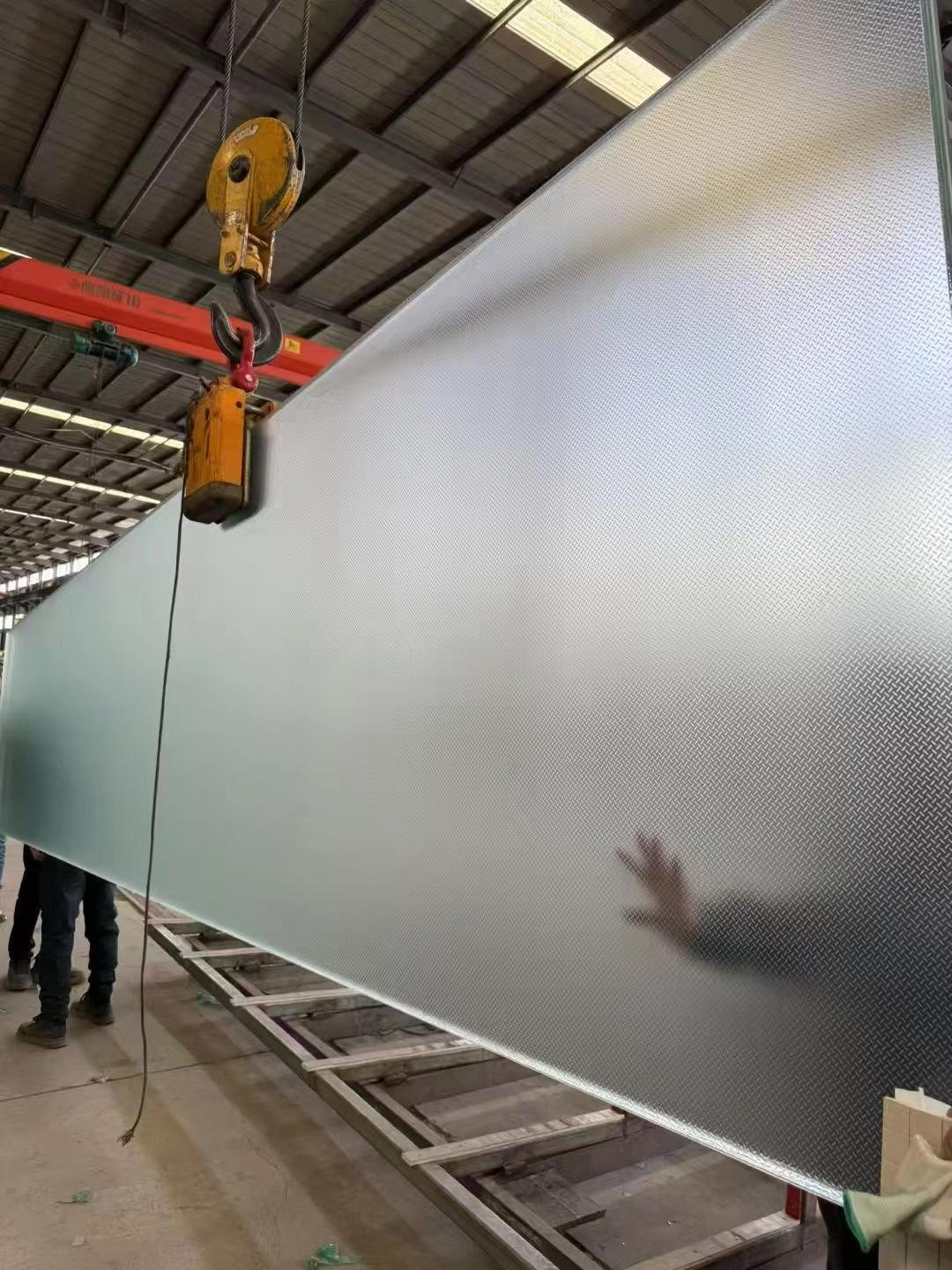
Fire ratings rely on standard duration intervals designed to match the evacuation needs of the building. Ratings typically fall into 20, 45, 60, 90, and 120-minute classifications. These intervals dictate exactly how long the assembly must withstand extreme fire conditions without failing. A 20-minute rating usually applies to interior corridor doors. This provides just enough time for occupants to escape a localized incident.
Conversely, 60 to 120-minute intervals apply to primary egress routes. You find these in stairwells and areas where occupants might need to shelter in place. You must correlate these time ratings directly with your overall egress strategies and compartmentalization requirements. Using a 120-minute glass in a 20-minute wall wastes money. Using a 20-minute glass in a 60-minute wall creates a life-safety hazard.
The concept of "Integrity" refers strictly to the ability of the glass to remain structurally intact. Integrity fire glass prevents the passage of flames and hot gases. However, it offers no insulation against radiant heat. These materials are tested under standards like NFPA 252 for doors and NFPA 257 for windows. Manufacturers achieve this integrity through specialized material compositions.
Polished Wired Glass: Traditional material utilizing an embedded wire mesh. This mesh holds shattered glass shards together under thermal stress.
Tempered Ceramics: Highly durable materials that withstand extreme thermal shock without shattering. They offer clear visibility without embedded wires.
Specialized Borosilicate: Glass manufactured with boron trioxide. This lowers the coefficient of thermal expansion and prevents heat-induced shattering.
When project codes demand heat containment, you must specify insulated fire glazing. The "Insulation" criteria mean the material limits temperature rise on the non-fire side. To pass ASTM E119 or UL 263, the unexposed surface typically cannot exceed 250°F above the ambient temperature.
The mechanism of action relies on advanced material chemistry. The glass features multiple laminated panes separated by clear intumescent interlayers. When temperatures exceed 1000°F during a fire, the glass pane nearest the fire eventually cracks. The intense heat then strikes the intumescent layer. This layer physically expands, foaming up to create a thick opaque shield. This reaction actively absorbs radiant heat energy. It cools the subsequent layers of glass and protects the unexposed side of the corridor.
Code compliance is strictly verified through mandatory etched stamps on every individual piece of fire-rated glass. Building inspectors look for these marks to verify compliance on-site. If a panel lacks the correct IBC marking, the inspector will reject the installation immediately. Understanding these letter codes is essential for procurement. A fire resistant glass panel must feature a permanent mark detailing its exact capabilities.
Locate the Stamp: Find the permanent etching, usually in the bottom corner of the glazing pane.
Identify the Manufacturer: Verify the brand matches the approved submittal documents for your project.
Check the Application Code: Look for 'W' for walls, 'D' for doors, or 'OH' for openings.
Confirm the Time Rating: Ensure the number matches the minutes required by the life-safety drawings (e.g., 45, 60, 90).
Verify the Test Standard: Ensure the laboratory mark (UL, Intertek) and specific test standard (ASTM E119) are clearly printed.
IBC Mark | Application Type | Testing Standard | Performance Capability |
|---|---|---|---|
W | Wall assemblies | ASTM E119 / UL 263 | Resistive. Blocks radiant heat. Allows unlimited glazing area. |
D | Door assemblies | NFPA 252 / UL 10C | Protective. Used for compartmentalization in egress doors. |
OH | Window/Sidelite | NFPA 257 / UL 9 | Protective. Meets requirements for hose stream survival. |
T | Temperature Rise | Various | Limits non-fire side temperature to 250°F over ambient. |
Navigating the North American regulatory landscape requires strict adherence to distinct testing protocols. Building fire protection glass intended for wall applications must pass ASTM E119 or UL 263. These are massive, brutal tests. The entire wall assembly endures hours of roaring furnace heat while load-bearing capacities and heat transfer limits are monitored. If you are specifying protective windows and doors, the assemblies must pass NFPA 252 for doors and NFPA 257 for windows. These focus exclusively on fire endurance and flame penetration without measuring radiant heat.
The hose stream test is one of the most punishing requirements in North American building codes. After the glass survives its rated time in the 1000°F+ furnace, technicians roll the red-hot assembly out. They immediately spray it with a high-pressure fire hose delivering water at 30 PSI from 20 feet away. This simulates the extreme thermal shock and physical impact of firefighting operations.
Standard tempered glass completely shatters and fails upon impact. The immediate cooling causes massive surface contraction. This blows the glass out of the frame and opens a clear path for fire. Only specialized materials survive this test. Glass ceramics remain unaffected by thermal shock. Heavy intumescent laminates hold together structurally, successfully preventing the passage of the water stream.
Global procurement managers and international architectural firms must understand how North American codes translate overseas. The European standard EN 13501-2 utilizes a different classification system based on E, EW, and EI ratings. Understanding these differences prevents ordering non-compliant overseas materials for domestic projects.
E (Integrity): Simply prevents flame and gas penetration. Matches basic protective standards.
EW (Radiation Control): Prevents flame penetration and limits heat radiation to a safe threshold.
EI (Insulation): Represents the highest standard. It is identical to North American resistive codes. It blocks flames, smoke, and completely insulates against heat transfer.
Glass does not function independently during a fire. It must be tested, certified, and listed with its specific framing system. You can choose from hollow metal, thermally broken aluminum, or specially treated fire-rated timber. The glass and frame must share identical testing approvals.
The strict rule of thumb on any job site is that the lowest-rated component dictates the rating of the entire assembly. Combining 60-minute heat-resistive glass with a 20-minute hollow metal frame defaults your entire corridor wall to a 20-minute rating. Inspectors look at the overall system listing. You must secure manufacturer documentation proving the glass and frame were successfully tested together at an accredited laboratory.
Framing Material | Typical Maximum Rating | Structural Characteristics |
|---|---|---|
Hollow Metal (Steel) | 120 Minutes | Highest load capacity. Heavy duty. Susceptible to rusting if exposed to weather. |
Thermally Broken Aluminum | 60 to 90 Minutes | Lighter weight. Offers narrow sightlines. Contains a thermal break to reduce heat transfer. |
Fire-Rated Timber | 60 Minutes | High aesthetic value. Requires specialized hardwood and intumescent core treatments. |
Specifying fire-rated safety glass within doors demands equal scrutiny for hardware synergy. Every piece of hardware attached to the door must carry a matching fire rating. Hinges must withstand the weight of heavy intumescent glass under extreme heat without melting or warping. Door closers must ensure the heavy panel shuts completely and positively latches during an alarm. Panic hardware must remain functional when exposed to high temperatures. If you mount a non-rated handle on a 90-minute glass door, the entire opening loses its certification and compromises building safety.
Fire resistance is only one part of the life-safety equation. Glazing installed in high-traffic areas must also protect humans from accidental impact. Low-level sidelites and primary entry doors see constant movement. Materials must carry impact safety ratings conforming to CPSC 16 CFR 1201 or ANSI Z97.1.
Traditional polished wired glass often lacks high-level impact ratings. If someone trips and falls into older wired glass, it can break. The exposed wire mesh traps limbs, causing severe lacerations. Modern filmed ceramics or heavy intumescent laminates easily meet Category II impact safety standards. They safely hold together upon human impact while maintaining their fire endurance capabilities.
Integrating fire-rated materials requires balancing functional safety with architectural aesthetics. Visible Light Transmission (VLT) can be impacted by the material choice. Traditional ceramics often exhibit a slight amber tint. Architects must account for this tint when designing brightly lit interior spaces. Multi-laminate intumescent systems provide superior clarity but add significant thickness to the glazing pocket.
However, this added thickness yields exceptional acoustic performance. Thick laminated safety glass inherently boasts high Sound Transmission Class (STC) and Outdoor-Indoor Transmission Class (OITC) ratings. By installing thick fire-rated assemblies in stairwells or hospital corridors, you solve strict fire code requirements. Simultaneously, you significantly reduce ambient noise transmission between building zones.
Contractors constantly underestimate the sheer weight of multi-laminate intumescent glass. A 60-to-120-minute resistive panel is incredibly dense. It often exceeds 10 to 15 pounds per square foot. A single large pane can weigh several hundred pounds.
This extreme weight introduces serious structural load constraints. Standard framing headers and wall sills will buckle under the pressure. You must mitigate this risk through early collaboration with structural engineers. Before the glass arrives, crews must reinforce framing headers. They must utilize heavy-duty setting blocks. Ensure the surrounding substrate can bear the static load permanently. Glazing contractors need specialized lifting equipment, such as vacuum cups and mechanical hoists, to safely maneuver these panels into place without edge damage.
Procuring specialized life-safety materials requires rigid schedule management. Only a limited number of global manufacturers operate the advanced facilities required to produce certified high-minute intumescent glazing. Standard commercial glass might arrive in two weeks. Custom fire-rated materials require precise factory fabrication.
You must factor 8 to 12-week lead times directly into the critical path of the construction schedule. Delays in approving shop drawings or verifying field measurements will push material delivery back. This prevents you from closing up corridors or obtaining temporary certificates of occupancy.
The most critical warning for field crews is that field modification of rated glass is strictly prohibited. You cannot cut, drill, or trim fire-rated glass on the job site. Attempting to trim an intumescent laminate exposes the chemical core to air. This degrades the material and instantly invalidates the UL or Intertek listing.
Frame the Opening: Complete all rough framing and drywall finishing before measuring.
Shoot Precise Measurements: Use laser tools to capture the exact tight size of the opening.
Calculate Deductions: Subtract the manufacturer's required edge clearances to determine final glass size.
Order Factory Fabrication: Send exact dimensions to the plant for custom manufacturing.
Install Without Alteration: Place the factory-finished glass directly into the pocket using approved setting blocks.
Compliance does not end once the building opens. Facility managers must adhere to ongoing code requirements for lifecycle maintenance. Standards like NFPA 80 mandate annual fire door and window assembly inspections. Certified inspectors evaluate the entire system annually to verify functionality.
During these inspections, professionals ensure the glass remains uncracked. They check that permanent etched labels are still visible. They verify that intumescent seals are intact and frames are uncompromised by building settling. They check that door closers successfully latch the heavy glass doors under their own power. Failing an annual inspection requires immediate remediation to maintain the building's overall safety certificate.
Specifying correct glazing requires precisely balancing building codes against architectural vision and construction execution. Ignoring the distinctions between heat containment and simple flame barriers exposes a project to severe liabilities and rework. Permanent etched labels on every pane serve as an unforgiving record of specification accuracy. Base your final material selection on local AHJ code requirements, required time endurance, and full compatibility with certified framing systems. Executing this correctly ensures uncompromised building safety and smooth inspection approvals.
Review architectural elevations alongside IBC Chapter 7 to confirm which walls require radiant heat containment versus basic smoke compartmentalization.
Consult with a licensed fire protection engineer to verify your selected glass and framing system share a unified laboratory listing.
Audit the project schedule to build in 8 to 12-week lead times for factory fabrication.
Mandate precise field measurements for all rough openings before releasing glass orders to prevent field-cutting.
A: No. Industry professionals reject the term "fireproof" because no glass can withstand extreme fire conditions indefinitely. Glazing is categorized as fire-protective or fire-resistant based on specific, time-tested endurance limits determined by laboratory furnace testing.
A: "Fire-rated" is a broad umbrella term covering all rated glass. Fire resistant glass is a specific classification that blocks smoke, flames, and dangerous radiant heat transfer. This allows safe human egress past the glass during a severe fire.
A: Building inspectors verify compliance by locating the permanent etched or sandblasted label in the corner of every panel. This label displays the manufacturer, the testing laboratory mark, the test standard passed, and the specific minute rating.
A: Under extreme heat, the external glass pane fractures. The heat activates the clear intumescent interlayers trapped between the inner panes. These chemical layers expand into a thick, opaque foam that absorbs radiant heat energy and cools the unexposed side.
A: The hose stream test simulates the brutal thermal shock and physical impact of high-pressure water from firefighting operations hitting 1000°F glass. This test ensures the rated glass can hold together structurally without failing and spreading the fire.
A: Absolutely not. Cutting, drilling, or trimming fire-rated glass in the field instantly voids its safety certification and testing laboratory listing. All panels must be precision-measured on-site and cut to exact dimensions at the manufacturing facility prior to delivery.


