Views: 0 Author: Site Editor Publish Time: 2026-05-06 Origin: Site


In today’s architectural landscape, glass is no longer just a functional material—it has become a central design element. Decorative glass solutions are transforming how buildings look, feel, and perform by combining aesthetics, energy efficiency, and structural functionality.
This comprehensive guide on Decorative Glass Solutions for Modern Architecture is designed for architects, developers, contractors, and global buyers seeking high-quality glass solutions. Leading manufacturers like Qingdao Rider Glass provide innovative options such as patterned glass and customized architectural glass products for modern construction projects worldwide.
With urbanization accelerating and design standards rising, decorative glass has become essential in both residential and commercial architecture.
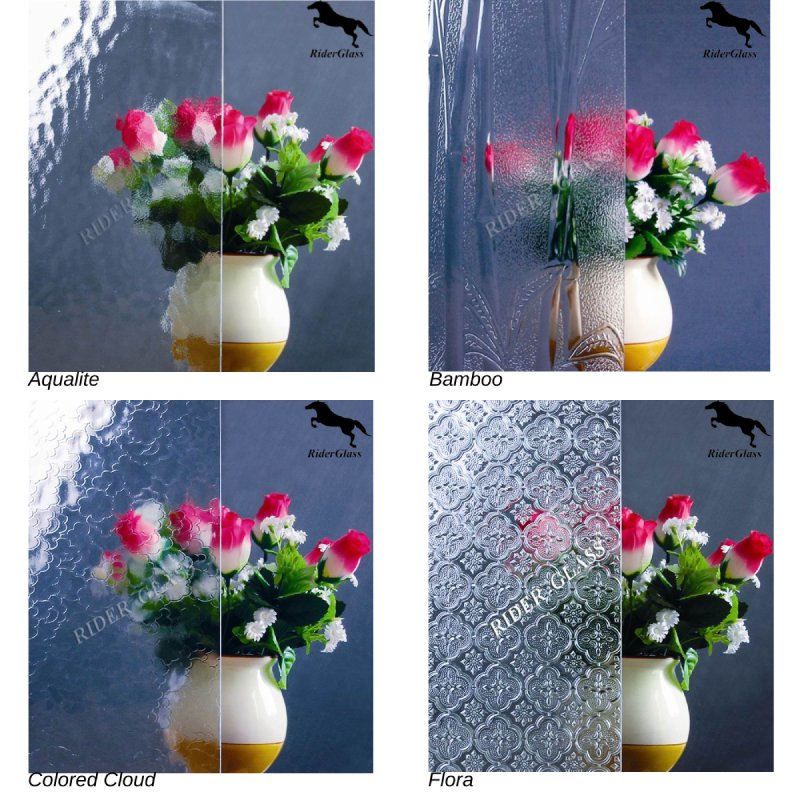
Decorative glass refers to glass that has been modified or treated to enhance its visual appearance while maintaining functionality. It can include textures, colors, coatings, or embedded patterns.
Aesthetic enhancement
Light control and diffusion
Privacy without blocking light
Versatility in design
Decorative glass bridges the gap between functionality and artistic expression, making it a preferred material for modern architects.
Patterned glass features embossed designs that provide both decoration and privacy. It is widely used in bathrooms, partitions, and office spaces.
Frosted glass is created through acid etching or sandblasting. It diffuses light and offers privacy, making it ideal for interior applications.
Tinted glass adds color while reducing glare and heat. Products like tinted float glass are commonly used in facades and windows to improve energy efficiency.
Coated glass includes reflective and Low-E coatings that enhance thermal performance and reduce energy consumption.
Combines safety and design by embedding decorative films or fabrics between glass layers.
Decorative glass allows architects to create visually striking designs. From minimalist facades to intricate interiors, glass enhances the overall appearance of buildings.
Glass allows natural light to enter spaces, reducing the need for artificial lighting and improving occupant comfort.
Modern decorative glass solutions include coatings that reduce heat transfer, helping buildings meet energy efficiency standards.
Unlike traditional walls, decorative glass provides privacy while still allowing light transmission.
Glass can be customized in terms of color, pattern, thickness, and size, making it suitable for various applications.
Sliding doors
Shower enclosures
Room dividers
Windows and balconies
Decorative glass enhances both functionality and aesthetics in modern homes.
Office partitions
Curtain walls
Conference rooms
Retail displays
Businesses use decorative glass to create open, modern, and visually appealing environments.
Airports
Museums
Hotels
Shopping centers
Decorative glass is widely used in large-scale projects to create iconic architectural designs.
Decorative glass is often combined with structural glass solutions such as tempered and laminated glass for enhanced safety and durability.
High-quality base materials like float glass are essential to ensure consistency and performance in decorative applications.
Smart glass can change transparency based on electrical signals, offering dynamic privacy control.
Large glass panels and frameless designs are becoming increasingly popular.
Eco-friendly production methods and energy-efficient coatings are driving demand.
Advanced printing technology allows custom patterns, images, and branding directly on glass surfaces.
Application (interior vs exterior)
Safety requirements
Energy efficiency needs
Budget constraints
Design preferences
If you are sourcing decorative glass for export markets, ensure compliance with:
CE certification (Europe)
ASTM standards (USA)
Safety glass regulations
Working with experienced suppliers ensures smooth project execution.
Selection of base float glass
Surface treatment (etching, coating, printing)
Heat treatment (if required)
Laminating or tempering
Quality inspection
Each step requires precision to achieve the desired aesthetic and performance.
High-quality decorative glass must meet strict standards for:
Surface uniformity
Color consistency
Coating adhesion
Durability
Reliable manufacturers implement advanced inspection systems to ensure defect-free products.
Decorative glass not only enhances visual appeal but also adds long-term value to buildings.
Increased property value
Improved energy performance
Modern design appeal
Long-lasting durability
It is used for enhancing aesthetics in buildings while maintaining functionality.
Yes, especially when combined with tempered or laminated processes.
Yes, in patterns, colors, and sizes.
Yes, especially with coated or tinted options.
Yes, when properly treated and installed.
Patterned and tinted glass are widely used.
Decorative Glass Solutions for Modern Architecture represent the perfect blend of beauty, innovation, and performance. As architectural trends continue to evolve, glass will remain a key material shaping the future of buildings.
From residential interiors to large-scale commercial projects, decorative glass offers endless possibilities for creativity and functionality.


