Views: 0 Author: Site Editor Publish Time: 2026-06-29 Origin: Site


A common misconception plagues modern glass procurement: people assume standard clear glass is optically neutral. It is not. Standard float glass contains naturally occurring iron deposits. These deposits produce a noticeable green tint within the material. In high-end architectural, retail, or technical applications, this green hue causes serious visual disruption. It distorts color rendering, reduces overall light transmission, and degrades design aesthetics. Decision-makers often face a dilemma when choosing materials for premium structural projects. You need to know exactly when upgrading makes true structural and financial sense. We provide an evidence-based framework here. You will learn how the chemical composition and precise optical clarity of ultra clear low iron glass solve these distinct visual problems. We explore when specific applications fully justify the necessary premium over standard options.
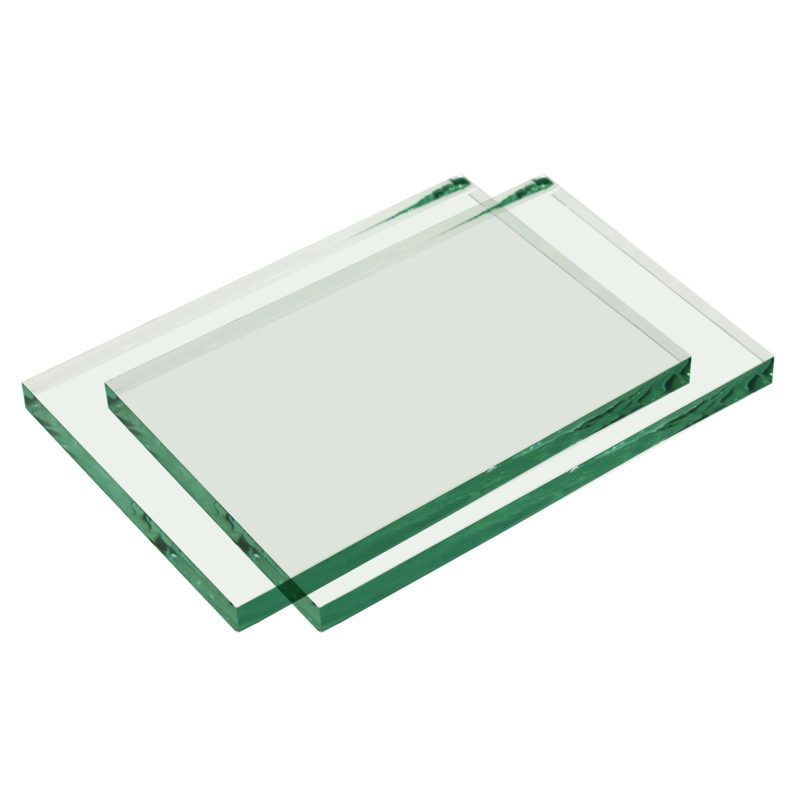
Standard clear glass contains higher ferric oxide levels, resulting in a green edge and slight tint that darkens as thickness increases.
Ultra clear low iron glass reduces iron content by up to 90%, increasing Visible Light Transmittance (VLT) and ensuring true color rendering.
The premium for low-iron glass is universally justified in applications requiring thick glass panels (over 3/8" or 10mm), back-painted glass, and high-efficiency solar glass substrates.
Specifying the right glass requires balancing optical performance requirements with budget allocation, focusing low-iron investments on high-visibility or technically demanding zones.
We must examine the fundamental chemistry behind glass manufacturing. Iron naturally enters the standard float glass process. It comes directly from raw materials like silica sand. This residual iron, specifically ferric oxide, directly causes the signature green hue. Standard clear glass holds around 0.10% iron content. Manufacturers strip out up to 90% of this iron to create premium architectural alternatives. We call this specialized product low iron float glass. It utilizes highly purified silica sand. This strict chemical control creates a dramatically clearer final product.
Visible Light Transmittance (VLT) measures how much natural daylight passes through a solid surface. Standard clear glass usually delivers about 90% VLT. That leaves 10% of light blocked, absorbed, or refracted. By removing the iron, high-transparency glass achieves significantly higher performance metrics. You can expect 91% to 99% VLT. The exact percentage depends on the overall thickness and the specific manufacturer formulation. This massive jump in transmittance fundamentally changes how interior spaces feel. They become brighter, more open, and highly inviting.
Edge visibility presents the most obvious visual difference between these materials. Look closely at the exposed edge of standard glass. You see a dark, dense green line. It looks heavy and somewhat industrial. Now examine ultra clear alternatives. They present a near-invisible, icy blue edge. Sometimes the edge appears completely colorless. Architects use this pristine edge to create seamless structural transitions in frameless interior designs.
Industry terminology sometimes creates unnecessary confusion during the procurement process. We must clarify the technical jargon. Terms like low iron float glass, ultra clear glass, and various brand-specific trademarks usually describe the identical core category. They all refer to reduced-iron manufacturing methods. Recognizing these interchangeable terms helps you navigate architectural specifications accurately.
Feature | Standard Clear Glass | Ultra Clear Low Iron Glass |
|---|---|---|
Iron Content (Ferric Oxide) | Approximately 0.10% | Reduced by up to 90% (Approx. 0.01%) |
Visible Light Transmittance (VLT) | ~90% (decreases with thickness) | 91% - 99% (maintains high VLT at thickness) |
Edge Appearance | Dark, distinct green | Icy blue or completely colorless |
Color Rendering | Slight green distortion | True, accurate color representation |
We must discuss the fundamental physics of light refraction. Glass thickness dictates overall structural integrity in architecture. As you specify thicker glass panels, the residual green tint compounds. The color deepens exponentially due to increased light absorption across the mass. A thin pane looks relatively clear to the untrained eye. A thick pane looks distinctly green. This physical reality forces a critical choice. You cannot ignore the heavy tint in demanding structural applications.
Industry standards identify a definitive tipping point for material selection. Once glass reaches 3/8" (10mm) in thickness, standard material noticeably distorts views. Colors positioned directly behind the glass begin to shift dramatically. Pure whites turn minty green. Warm architectural tones lose their natural vibrancy. At this exact threshold, specifying ultra clear glass becomes absolutely critical for visual accuracy.
Heavy architectural installations rely on massive, thick structural panels. Designers want them to look incredibly light and airy. Standard glass adds heavy visual weight to the environment. Using a thick, distortion-free glass panel maintains an invisible, minimalist aesthetic. It strips away the visual bulk completely. This allows massive structural pieces to blend seamlessly into their surroundings.
Always calculate the final laminated thickness accurately, as protective interlayers add optical density.
View physical material mock-ups under the exact lighting conditions planned for the final installation.
Evaluate overall edge exposure, because polished exposed edges significantly magnify the internal color tint.
Consult structural engineers early to determine the minimum safe thickness required for wind loads.
True color rendering remains non-negotiable in retail storefronts and exhibition spaces. High-end merchandise and delicate historical artifacts require perfect visual clarity. Standard glass shifts a crisp white display into a dull, unappealing green tone. Museums use specialized low-iron panels to protect ancient textiles and sensitive artifacts. They eliminate frustrating color shifting. This preserves the artist's original intent perfectly. Retailers use these exact panels to ensure luxury goods look authentic under bright display lighting.
Back-painted installations demand incredibly strict color matching protocols. You apply heavy paint to the back surface of the panel. The viewer looks through the front of the glass to see the color. If you apply pure white paint behind standard glass, it yields a pale green result. The natural tint alters the pigment permanently. Low iron glass is absolutely mandatory here. It ensures true, accurate color representation for corporate branding and modern interior design.
Frameless structural enclosures rely heavily on beautiful exposed edges. Think of modern floating staircases, heavy shower enclosures, or minimalist partition walls. Standard green edges disrupt the sleek, continuous design language. Crystal-clear edges elevate the entire installation immediately. They provide a pure, uninterrupted visual flow throughout the space.
We also see critical technical applications demanding ultimate clarity. Consider large-scale solar energy collection systems. We routinely use specialized low iron formulations as a high-efficiency solar glass substrate. Maximum light transmission directly boosts photovoltaic conversion efficiency. The premium glass allows far more solar radiation to reach the active cells. This improves long-term energy yields significantly for massive commercial arrays.
You must allocate project budgets wisely across large developments. Not every single window requires premium materials. Use intelligent cost-to-benefit mapping. Specify low iron materials for exterior retail facades and primary display cases. Use standard clear materials for secondary interior office partitions or opaque framing systems. This hybrid approach maximizes visual impact where it matters most. It manages total expenditures effectively across the entire structural package.
You might wonder about potential fabrication limits. These premium panels handle standard industrial processes perfectly. You can temper, heat-soak, laminate, and insulate them without any issue. They handle custom CNC edge polishing beautifully. They match standard glass completely in terms of structural integrity and impact resistance. You sacrifice absolutely zero strength for this enhanced optical clarity.
Edge finish specifications matter immensely for final aesthetics. Always specify a high-quality flat machine polish for any exposed edges. A basic seamed edge scatters natural light chaotically. It completely ruins the premium icy-blue visual effect. A flat polish allows light to travel smoothly through the panel, maximizing the intended architectural appeal.
Failing to specify low-iron variants for multi-layered laminated safety glass, resulting in a dark green compound effect.
Overlooking the dramatic green tint impact on light-colored back-painted architectural features.
Mixing standard and premium glass adjacent to each other on the identical facade line.
Assuming all premium brands utilize the exact same chemical formulation for clarity.
We must acknowledge distinct implementation realities. Manufacturing formulas vary slightly between different global producers. One specific brand might look slightly bluer at the edge. Another might look completely neutral or icy. Mixing panels from different fabrication batches causes subtle but noticeable optical mismatches. You must source all highly visible, adjacent panels from a single continuous manufacturing batch. This prevents frustrating visual inconsistencies.
Perfect optical clarity brings unique daily maintenance challenges. Fingerprints, installation smudges, and environmental dust stand out immediately on these pristine surfaces. Standard glass hides minor dirt slightly better due to its inherent tint. You must enforce strict, ongoing cleaning protocols. Use professional microfiber cloths and appropriate chemical solutions. Educate facility maintenance teams on proper care techniques.
Lead times require highly careful project management. Standard clear glass sits ready in vast quantities worldwide. Specialized thicknesses of premium float glass take considerably longer to produce and ship safely. Off-the-shelf standard clear glass always ships much faster. Plan your heavy project timelines accordingly. Anticipate longer transit times to avoid unexpected construction delays.
The final decision matrix requires careful, objective evaluation. Choose premium glass solutions based on specific structural project needs. Evaluate your required thickness closely. Assess your color-rendering strictness for the specific space. Determine your exact light transmittance needs. This objective analysis guides highly successful architectural specification.
We strongly recommend a physical, on-site evaluation before final approval. Always request side-by-side physical material samples. View standard and premium options together under natural daylight. View them at the exact project thickness specified. Hold them against the actual wall coverings or paints they will cover.
Take the next logical step in your project planning phase. Consult your dedicated fabrication team today. Review structural blueprints, assess total edge visibility, and finalize your material selection confidently. Superior optical clarity transforms structural designs into true modern masterpieces.
A: No. It offers the exact same structural integrity as standard glass. You can temper, laminate, and process it identically. The manufacturing difference lies solely in the chemical iron content, not the physical strength or overall durability.
A: It requires a higher initial investment compared to standard options. Specialized manufacturing processes and high-purity raw materials drive this premium. However, the visual benefits and true color rendering in premium architectural applications easily justify the higher upfront allocation.
A: No. Because it offers higher visible light transmittance, it actually allows more light and UV radiation to pass through. If you need strict UV protection, you must apply specific low-E coatings or use UV-blocking PVB interlayers during lamination.
A: Yes. It is frequently specified for double or triple-pane Insulated Glass Units. Using it in IGUs maximizes natural light transmission and ensures superior optical clarity, especially when multiple heavy layers of glass are required for strict thermal performance.


