Views: 0 Author: Site Editor Publish Time: 2026-03-17 Origin: Site


Noise control is often the first reason architects and developers consider acoustic glass solutions. However, modern construction increasingly requires materials that provide more than just sound insulation. At Rider Glass Company Limited, we have seen growing interest in Acoustic Laminated Glass not only for its ability to reduce noise but also for its impressive structural safety and impact resistance.
In busy urban environments, buildings must deal with multiple challenges simultaneously. Traffic noise, construction vibrations, weather events, and accidental impacts all place stress on building envelopes. A material that only solves one problem is rarely enough. Acoustic laminated glass addresses several needs at once by combining advanced sound control technology with laminated safety performance. This dual functionality allows architects, developers, and engineers to create buildings that are quieter, safer, and more resilient.
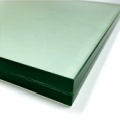
Acoustic laminated glass is manufactured by bonding two or more glass panes together with specialized interlayers designed to absorb sound vibrations. These interlayers are typically made from advanced polymer materials that dampen sound waves as they pass through the glass.
The construction of laminated glass gives it unique mechanical properties that standard monolithic glass cannot match.
Unlike single glass panels, laminated glass consists of several layers working together. The outer glass sheets provide rigidity and surface strength, while the acoustic interlayer absorbs energy from sound and physical impact.
The acoustic interlayer is engineered to be both resilient and flexible. This flexibility allows it to absorb vibration energy from sound waves while also acting as a bonding agent that holds the glass fragments together if breakage occurs.
Because the layers are permanently bonded, laminated glass behaves as a single composite material. When impacted, the energy spreads across the laminated structure rather than concentrating on one fragile point.
This structural design is the foundation of the material’s impact resistance.
Safety considerations have become increasingly important in contemporary building design. Glass is now widely used in façades, curtain walls, skylights, and partitions. As the surface area of glass grows in modern architecture, so does the importance of ensuring that the material can withstand external forces.
In public buildings, schools, offices, and transportation hubs, glass surfaces are exposed to accidental impacts from people, equipment, or objects. Laminated glass provides an added layer of protection because the interlayer prevents the glass from shattering into dangerous fragments.
When traditional glass breaks, it often shatters into sharp pieces that fall immediately. Laminated glass behaves differently. Even if the glass cracks, the interlayer holds the fragments in place. This property significantly reduces injury risk.
Glass façades are exposed to wind pressure, temperature fluctuations, and sometimes debris carried by storms. Laminated glass systems distribute these stresses more effectively than single glass panels.
For these reasons, impact resistance has become an essential feature of glass used in modern construction.
The key to laminated glass impact resistance lies in how the interlayer behaves under force.
When an object strikes laminated glass, the following process occurs:
The outer glass layer absorbs the initial impact.
The interlayer stretches and distributes the energy across a wider area.
The inner glass layer absorbs the remaining force.
Instead of breaking instantly, the laminated structure dissipates energy gradually. This multi-stage energy absorption mechanism improves resistance to both sudden and repeated impacts.
Because the interlayer spreads impact forces across a larger surface area, the stress on any single point of the glass is reduced.
If the glass does crack, the fragments remain bonded to the interlayer. This prevents dangerous shards from falling.
Even after cracking, laminated glass can continue to provide temporary structural protection until replacement occurs.
These characteristics make laminated glass a reliable safety material in high-risk environments.
One of the major advantages of acoustic laminated glass is that its safety benefits do not compromise its sound insulation performance.
In fact, the same interlayer that improves impact resistance also enhances acoustic performance.
The specialized acoustic interlayer reduces the transmission of sound vibrations through the glass panel.
Buildings located near highways, airports, or railways benefit significantly from acoustic glass installations.
Reduced noise levels contribute to improved productivity in offices and better living conditions in residential spaces.
Below is a simplified comparison showing how laminated glass improves building performance.
Feature | Standard Glass | Acoustic Laminated Glass |
Noise reduction | Low | High |
Impact resistance | Moderate | Strong |
Safety after breakage | Low | High |
Fragment retention | No | Yes |
Structural resilience | Limited | Improved |
This combination of acoustic and safety performance is why laminated glass has become increasingly popular in architectural projects.
The versatility of acoustic laminated glass allows it to be used in a wide variety of architectural applications.
Apartments and condominiums located near busy roads benefit greatly from acoustic laminated glass. Residents enjoy quieter interiors while the laminated structure provides additional safety.
Office towers often use large glass façades. Laminated acoustic glass helps reduce traffic noise while also improving façade durability.
Schools and universities require safe materials that minimize injury risks. Laminated glass provides both acoustic comfort and protective safety performance.
Airports, train stations, and highway noise barriers frequently rely on laminated glass because of its combined sound control and structural strength.
In these environments, the material’s impact resistance becomes as important as its acoustic properties.
Not all laminated glass products perform the same way. Several factors determine how well the glass will resist impact.
Thicker glass layers provide higher structural strength and improve overall resistance to force.
Acoustic interlayers are specially engineered to absorb vibration energy. Their composition directly affects both sound insulation and impact resistance.
Some applications use multiple laminated layers to increase safety performance.
Even the best glass materials must be properly installed. Frame design, support structure, and sealing methods all influence how impact forces are distributed.
Understanding these variables allows project designers to specify glass solutions that match the requirements of each building.
Beyond immediate safety benefits, acoustic laminated glass also offers long-term durability advantages.
High-quality laminated glass maintains its structural integrity even after years of exposure to sunlight and temperature changes.
Because the interlayer protects against sudden breakage, laminated glass often requires less frequent replacement than standard glass.
Buildings equipped with laminated glass systems benefit from longer service life and improved occupant safety.
For developers and building owners, these advantages contribute to lower long-term operational costs.
As urban density continues to increase worldwide, buildings must address both environmental noise and safety concerns simultaneously. Acoustic laminated glass is uniquely positioned to meet these demands.
Advancements in interlayer materials continue to improve sound absorption performance while strengthening the structural capabilities of laminated glass.
Architects are also exploring new design possibilities that combine aesthetics with functionality. Large transparent façades, panoramic windows, and open interior spaces all benefit from glass materials that offer both acoustic comfort and impact protection.
In many modern construction projects, laminated acoustic glass is no longer considered a specialized option but a standard component of high-performance building design.
While noise reduction remains one of its most recognized features, the value of Acoustic Laminated Glass extends far beyond soundproofing. Its laminated structure provides strong resistance to impact, improved safety during breakage, and enhanced structural stability for modern buildings. By combining acoustic performance with protective safety characteristics, laminated glass supports the evolving needs of contemporary architecture.
At Rider Glass Company Limited, we continuously develop glass solutions designed to meet these complex requirements. Our experience in laminated glass production allows us to support architects, developers, and contractors seeking reliable materials that balance comfort, durability, and safety. For projects requiring advanced sound control and impact-resistant glass systems, we welcome you to learn more about our products and discuss how our solutions can contribute to your next building project.
Acoustic Laminated Glass is commonly used in buildings where both noise reduction and safety are important, such as residential towers, offices, schools, and transportation facilities.
The laminated structure includes an interlayer that absorbs and distributes impact energy, preventing the glass from shattering and keeping fragments bonded together.
Yes. Because of its multi-layer construction and bonded interlayer, laminated glass offers significantly better resistance to impact and breakage compared with standard single glass panels.
Yes. The acoustic interlayer inside the laminated glass absorbs sound vibrations, helping reduce traffic noise, construction noise, and other environmental sounds entering a building.


