Views: 0 Author: Site Editor Publish Time: 2026-06-04 Origin: Site


Among the range of laminated glass thicknesses available to architects and specifiers, laminated glass panels at the 17.5mm specification occupy a distinctive position. It is not the thickest option — that distinction belongs to 21.5mm and beyond — but it delivers a level of structural performance, acoustic control, and safety capability that exceeds the requirements of most commercial and high-end residential applications.
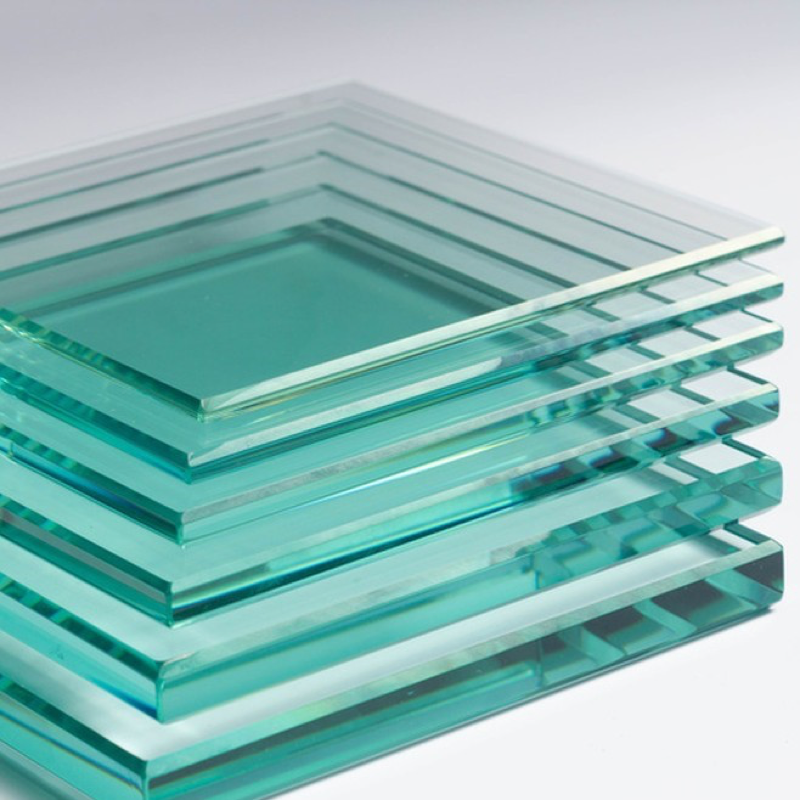
This article covers the full technical picture of 17.5mm laminated glass: its composition, performance characteristics, how it differs from toughened variants, the applications where it excels, and what to verify when sourcing this product. Whether you are comparing it against thinner or thicker alternatives, or trying to decide between annealed and tempered versions of the same nominal thickness, the information here will sharpen your specification.
17.5mm laminated glass is a composite glass panel with a total nominal thickness of 17.5mm. The standard annealed construction uses two panes of float glass, each 8mm thick, bonded with a 1.5mm PVB interlayer. The breakdown is:
8mm annealed glass / 1.5mm PVB / 8mm annealed glass = 17.5mm total (standard annealed)
8mm toughened glass / 1.5mm PVB / 8mm toughened glass = 17.5mm total (tempered variant)
8mm toughened glass / 1.5mm SGP / 8mm toughened glass = 17.5mm total (SGP variant)
The distinction between annealed and tempered versions is fundamental to performance. Annealed glass — sometimes called float glass or basic glass — is glass that has cooled slowly from the molten state without controlled thermal treatment. When it breaks, it produces long, sharp shards that can cause serious lacerations. Tempered glass, by contrast, has been heat-treated to introduce surface compressive stress; when it breaks, it shatters into small, relatively harmless granules. In a laminate, the interlayer holds the fragments in both cases, but the tempered version provides higher inherent strength before breakage occurs.
Buyers frequently search for both "17.5mm laminated glass" and "17.5mm toughened laminated glass." These are different product types within the same thickness class. The annealed version is used in applications where the structural demands are moderate and cost sensitivity is higher. The tempered version is specified when code requires tempered safety glass in addition to lamination, or when the additional strength of tempered glass plies is architecturally or structurally beneficial.
The nominal 17.5mm thickness is built from two 8mm glass plies and one 1.5mm interlayer. Actual measured thickness typically falls within ±0.3mm of nominal across the panel, with tighter tolerances achievable on premium products. EN 14449 (European laminated glass standard) and ASTM C1172 (US standard specification for laminated architectural flat glass) both define permissible thickness deviations and optical quality requirements.
The interlayer is the critical performance variable. Standard PVB (polyvinyl butyral) is the most common interlayer material and provides good adhesion, optical clarity, and UV blocking. Acoustic PVB formulations offer enhanced sound dampening at a modest premium. SGP (SentryGlas Plus) provides dramatically higher post-breakage stiffness and tear resistance. Each interlayer type shifts the performance envelope of the 17.5mm laminate in specific directions.
Eight millimeters is a well-established float glass thickness with excellent temperability (if tempered), consistent optical quality, and sufficient bending strength for most commercial glazing applications. Two 8mm plies in a laminate provide more than double the bending stiffness of a single 8mm pane, because the interlayer distributes load between the plies and prevents inter-ply slippage under bending moment.
The mass of 17.5mm laminated glass is approximately 43–44 kg/m² (two 8mm glass plies at 20 kg/m² each, plus 1.5mm PVB at approximately 1.6 kg/m²). This mass contributes to both acoustic performance and structural stability, making 17.5mm laminate noticeably more substantial than 13.5mm or 11.5mm alternatives during handling and installation.
The defining characteristic of laminated glass — regardless of thickness — is that broken glass fragments are retained by the interlayer. When a 17.5mm laminated glass panel is impacted and cracks, the fragments remain bonded to the PVB or SGP interlayer. The panel does not fall away from the frame, and there is no cascade of sharp shards into the occupied space below or behind the glazing. This fall-safe behavior is mandated by building codes in overhead glazing, sloped glazing, fully framed panels in public buildings, and glazing near doors and floors.
The retention of fragments also has implications for security. Even if a burglar or vandal manages to crack a 17.5mm laminate, the interlayer prevents the kind of rapid breakthrough that would make entry easy. This makes the product an effective component of a layered security approach, particularly when combined with alarm systems, security film, or hardened framing.
The mass-spring-mass principle that governs laminated glass acoustics means that 17.5mm laminate — with two 8mm glass masses separated by a viscoelastic interlayer — provides significantly better sound attenuation than a monolithic 8mm pane or a thinner laminate. A standard 17.5mm PVB laminate typically achieves STC 38–42 dB, which is 5–10 dB better than single glazing of equivalent thickness and competitive with much thicker monolithic glass panels.
That level of acoustic improvement is noticeable and meaningful. The STC scale is logarithmic — a 10 dB improvement is perceived as roughly halving the loudness of transmitted sound. For a building facade on a noisy urban street, upgrading from standard double glazing to 17.5mm laminate can reduce perceived traffic noise by 40–50%, transforming the interior acoustic environment from stressful to comfortable. The same acoustic performance makes 17.5mm laminate an excellent choice for glass swimming pool enclosures where both water-borne noise control and structural transparency are required.
Standard PVB interlayers block more than 99% of UV radiation in the 300–380nm range. This protects interior furnishings, artwork, merchandise, and occupants from the cumulative UV exposure that causes fading, discoloration, and material degradation. In museum applications and high-end retail, where lighting quality and merchandise presentation are paramount, UV protection from the glazing is a non-negotiable performance requirement.
For applications requiring visible light transmission while blocking UV — such as daylighting in spaces with UV-sensitive materials — tinted or specialized UV-blocking interlayers are available as upgrades to the standard clear PVB construction.
17.5mm laminated glass accepts tinted interlayers in a wide range of colors (bronze, gray, green, blue, black, and custom shades) that add solar control and aesthetic options without changing the glass thickness or requiring a separate applied film. The color is integrated into the interlayer and therefore permanent — it will not scratch, peel, or weather like surface-applied films or coatings. This makes 17.5mm laminate with tinted interlayer a durable, maintenance-free solution for colored facade panels and branded interior design elements.
Museum specifications for display case glazing typically call for UV-blocking, optically clear, impact-resistant glass in substantial thicknesses. 17.5mm laminated glass with ultra-clear glass substrate and UV-blocking PVB interlayer satisfies all three requirements. The ultra-clear option eliminates the characteristic green tint of standard float glass, preserving the true color of exhibited artifacts under artificial lighting that mimics natural daylight quality.
The impact resistance of 17.5mm laminate also protects collections against seismic events or accidental impact. In earthquake-prone regions, museum designers frequently specify 17.5mm laminate for floor-to-ceiling gallery glazing and display cases that must survive building movement without releasing shards that could damage collections or injure visitors.
Luxury retail environments — jewelry stores, watch boutiques, designer fashion flagship stores, electronics retailers — invest heavily in the visual presentation of merchandise. Display cases built from 17.5mm laminated glass with low-iron or tinted interlayer provide the combination of aesthetic refinement and theft deterrence that these environments demand.
The visible quality of thick, optically clear laminate signals premium positioning to customers. Combined with premium display lighting and refined framing systems, 17.5mm laminate in display cases and sidelights contributes to the overall brand experience in ways that thinner glass cannot match.
Commercial buildings in retail districts, financial services branches, and government facilities use 17.5mm laminated glass to harden ground-floor glazing against smash-and-grab theft and opportunistic vandalism. The laminate does not make forced entry impossible, but it substantially delays it — typically requiring 30–60 seconds of sustained, noisy attack with hand tools to create a person-sized opening. That delay is often sufficient to trigger alarms, attract attention, or discourage the attacker entirely.
The 17.5mm thickness with toughened plies and PVB interlayer achieves resistance ratings up to WK4 under EN 356 when installed in a tested frame assembly. For higher ratings (WK5 or WK6), SGP interlayer or additional glass thickness is required, but for the majority of commercial anti-bandit applications, 17.5mm laminate represents the practical sweet spot between performance and cost.
Residential towers near rail lines, airports, or high-traffic urban arterials, as well as commercial buildings with acoustic privacy requirements, specify 17.5mm laminated glass as the outer or inner pane of double-glazed acoustic assemblies. The mass and damping characteristics of the 17.5mm laminate make it particularly effective against low-frequency noise — the hardest frequency range to control — that characterizes railway and aircraft noise.
In real project applications, 17.5mm laminate has been specified for hotel facades adjacent to concert venues, hospital buildings near motorways, and residential towers in dense urban districts. The acoustic improvement over standard glazing is consistently measurable and subjectively significant.
This is one of the most common specification questions, and the answer depends on where the glass is being installed and what the applicable building code requires.
Annealed laminate is appropriate in fully framed installations where the framing provides complete edge support and the applicable building code does not mandate tempered glass. In this configuration, the laminate behaves as a suspended panel with the frame carrying the load, and the annealed glass plies provide adequate strength for typical wind loads and human impact loads when used within the span limits specified in ASTM E1300 or EN 16612.
Annealed laminate is also used in interior applications such as display cases, interior partitions, and furniture where the aesthetic and safety benefits of lamination are desired but the additional strength of tempered glass is not required.
Tempered laminate is required by code in specific locations — typically glazed panels within a certain distance of a floor or door bottom edge, overhead glazing, sloped glazing, and fully frameless or minimally framed installations. In North America, IBC Section 2406 and the International Residential Code (IRC) Section R308 specify where safety glazing is required; in Europe, EN 12600 and national building regulations perform the same function.
Even where not strictly required by code, tempered laminate is preferred for its superior residual strength. A tempered laminate that has been micro-cracked by wind debris or thermal stress retains substantially more load-carrying capacity than an equivalent annealed laminate — a meaningful consideration in facade applications where glass damage from maintenance activities or severe weather events is not uncommon.
The demand for 17.5mm laminated glass is being shaped by several converging trends in contemporary architecture and building performance regulation.
Acoustic comfort as a performance metric. As urban density increases and noise pollution regulations tighten, acoustic performance is becoming a first-tier specification requirement rather than a premium add-on. The STC performance of 17.5mm laminate — competitive with much thicker monolithic glass — makes it increasingly attractive for projects that must meet stringent acoustic criteria without sacrificing natural light or transparency.
Security glazing in retail environments. The global increase in organized retail crime and opportunistic theft has pushed more retailers to invest in hardened glazing as a front-line security measure. 17.5mm laminate hits the performance-cost sweet spot for most retail security applications, delivering meaningful attack resistance without the premium cost of 21.5mm or dedicated ballistic glass.
Jumbo format availability. As more manufacturers invest in large-format tempering and lamination equipment, the availability of 17.5mm laminate in panel sizes above 2,500mm × 3,000mm is improving. Rider Glass produces 17.5mm laminated glass — both annealed and tempered — in jumbo-format panels up to 3,300mm × 6,000mm, enabling facade designs with fewer joints and cleaner aesthetic lines. These panels are cut from jumbo float glass substrates sourced from large-format float glass producers, which improves cutting yield and reduces material waste on complex orders.
SGP adoption. The gap between PVB and SGP pricing has narrowed as SGP production volumes have increased globally. More projects are specifying SGP interlayers in 17.5mm laminate for the post-breakage stiffness, edge stability, and UV resistance advantages, even in applications where PVB would technically satisfy the requirements. Rider Glass stocks both interlayer types for 17.5mm constructions, enabling projects to choose based on performance rather than supply constraints.
Confirm that the float glass substrate meets the relevant regional quality standard: EN 572 for Europe, ASTM C1036 for North America, or GB 11614 for China. Low-iron (ultra-clear) glass is available as an upgrade for applications where optical clarity and color fidelity are important. Standard clear float glass is appropriate for most commercial and residential applications.
Specify the interlayer type (standard PVB, acoustic PVB, SGP) and, ideally, the brand (Eastman Trosifol, Kuraray SentryGlas, or Sekisui). Generic interlayer descriptions without a brand name may indicate lower-quality or unspecified material. Request the interlayer data sheet and verify that the UV transmission, adhesion, and thickness meet your project requirements.
Verify the actual measured thickness of the delivered product against the specification. Use calipers to check several panels from the delivery. EN 14449 permits ±0.2mm deviation per ply; ensure the cumulative deviation does not compromise the structural or acoustic performance assumptions in your specification.
Inspect delivered panels against a uniform light source (or daylight) for bubbles, inclusions, delamination at edges, and optical distortion. Small bubbles and inclusions are grounds for rejection under most quality standards; however, very slight optical distortion can occur in large-format tempered panels due to the tempering process and is generally acceptable within defined limits.
Request test reports from an accredited third-party laboratory for impact classification (EN 12600 or equivalent) and, for acoustic-sensitive applications, acoustic performance (ASTM E90 or ISO 10140). These reports should reference the exact laminate construction — interlayer type, glass substrate, and total thickness — that you are specifying.
Rider Glass offers 17.5mm laminated glass in both annealed and tempered variants, with both PVB and SGP interlayer options, in panel sizes up to 3,300mm × 6,000mm. This combination of manufacturing capability and product range means that projects with diverse requirements — acoustic performance, security glazing, jumbo-format facade panels — can source from a single capable supplier rather than piecing together orders across multiple vendors.
Competitor A stocks 17.5mm laminate only in annealed versions with standard PVB, limiting its utility for projects that need tempered plies or SGP interlayers. Competitor B offers tempered and SGP variants but constrains maximum panel sizes to approximately 2,400mm × 3,600mm, falling short for projects requiring larger facade panels. Rider Glass's combination of tempered and jumbo-format lamination capability addresses both constraints simultaneously.
For projects importing internationally, Rider Glass provides complete export documentation, ISPM 15-compliant packaging, and coordinated logistics that reduce the management burden on procurement teams. The company's experience with customs requirements in North America, Europe, the Middle East, and Asia means fewer clearance delays and a smoother path from factory to site.
A: The standard 17.5mm laminated glass construction consists of two 8mm float glass plies bonded with a 1.5mm PVB or SGP interlayer. The glass plies may be annealed or thermally tempered depending on the application and specification. Low-iron glass is available as an alternative substrate for improved optical clarity.
A: Both have the same nominal thickness (17.5mm), but the key difference is whether the component glass plies are annealed (untempered) or thermally tempered. Toughened laminate has higher inherent strength before breakage and a granular fracture pattern after breakage, while annealed laminate has lower initial strength and produces sharp shards if broken. Building codes often mandate tempered glass in specific hazardous locations, which means the toughened version is required in those applications even if annealed laminate would otherwise be acceptable.
A: Standard 17.5mm laminate with PVB interlayer achieves STC 38–42 dB. With acoustic PVB interlayer, STC 40–44 dB is achievable. With SGP interlayer and optimized construction, STC 40–44 dB is typical. These ratings are significantly better than single glazing of equivalent thickness and comparable to much thicker monolithic glass panels.
A: Yes, 17.5mm laminated glass is commonly used in sloped and overhead glazing applications when the tempered version is specified. The laminate retains fragments after breakage, satisfying the fall-safe requirement that building codes impose on overhead glazing. SGP interlayer is preferred for overhead applications because its higher post-breakage stiffness reduces the risk of deflection-induced fallout. Design should comply with applicable codes such as IBC Section 2406 or EN 12600.
A: Yes, tempered 17.5mm laminated glass is widely used in glass balustrade infill panels. The laminate retains fragments if broken, and the tempered plies provide adequate strength for typical balustrade loads. SGP interlayer is particularly beneficial in balustrade applications because it maintains post-breakage stiffness and reduces deflection under live loads. Verify the specific balustrade design against applicable codes (IBC Section 2407, BS 6180, or local equivalent) and confirm that the laminate meets the required impact classification.
A: Standard PVB interlayers block more than 99% of UV radiation in the 300–380nm range. This provides substantial protection for interior furnishings, artwork, textiles, and merchandise against UV-induced fading and degradation. Specialty UV-blocking interlayers are available for applications requiring enhanced UV protection beyond the standard formulation.
A: Yes. Tinted interlayers are available in a wide range of colors including bronze, gray, green, blue, and black. The color is integrated into the interlayer during lamination and is permanent — it will not scratch, peel, or weather over time. Colored 17.5mm laminate provides solar control (reducing heat gain and glare), UV protection, and aesthetic options in a single product, eliminating the need for surface-applied films or coatings.
17.5mm laminated glass is a versatile, high-performance product that delivers a meaningful step up from thinner laminated options in structural capability, acoustic performance, and security glazing resistance. Its 8mm + 8mm glass ply construction with 1.5mm interlayer provides the performance envelope needed for a wide range of commercial and high-end residential applications — from museum display cases and luxury retail storefronts to anti-bandit windows and acoustic barriers in urban environments.
The choice between annealed and tempered versions, and between PVB and SGP interlayers, shifts the performance profile to match specific application requirements. Working with a supplier who offers both options in jumbo-format panel sizes — like Rider Glass — gives architects and procurement teams the flexibility to specify precisely what each project needs without accepting compromise on availability or lead time. Rider Glass offers 17.5mm laminated glass in both annealed and tempered variants, with both PVB and SGP interlayer options, in panel sizes up to 3,300mm × 6,000mm, backed by full export documentation and logistics support for international projects.


