Views: 0 Author: Site Editor Publish Time: 2026-06-01 Origin: Site


Imagine a stray baseball flying directly into your front window. In a typical home, standard glass instantly shatters upon impact, sending dangerous, jagged shards flying across the living room floor. However, if that same baseball strikes 17.5mm toughened laminated glass, the result looks completely different. The window still cracks, displaying a distinct "spiderweb" break pattern, but the shattered pieces stay exactly where they are, held safely in place by an invisible shield.
Glass stays together when broken in certain situations, like a cracked car windshield, due to a brilliant manufacturing technique that behaves exactly like a common sandwich. This heavy-duty 17.5mm safety glass consists of two thick 8mm slices of glass serving as the "bread," with a 1.52mm layer of tough plastic acting as the "peanut butter" in the middle. Even if the outer glass breaks, that sticky inner layer grabs the pieces and refuses to let them fall apart.
According to building safety experts, this middle layer—technically called a PVB (Polyvinyl Butyral) interlayer—fundamentally changes how the window reacts to stress. Instead of simply crumbling under pressure, the plastic stretches and absorbs the energy like a trampoline, preventing objects from punching through. This specific 17.5mm construction is incredibly durable because it combines toughened glass, which is heat-treated to resist heavy blows, with the shatter-resistant holding power of lamination.
Beyond physical security, this unique glass-and-plastic sandwich quietly solves two everyday household problems that standard windows ignore. Industry testing reveals that the dense PVB interlayer acts as a highly effective filter for both sound waves and sunlight. Just as heavy curtains block out a busy street, laminated glass dramatically reduces frustrating outside noise while simultaneously blocking the harsh UV rays that fade your carpets and living room furniture.
Transforming a fragile home feature into a protective barrier is the true value of upgrading your property with this specialized glazing. Once you visualize the incredible safety difference between a dangerously shattered window and a safely contained spiderweb crack, the benefits of the technology become obvious. This hidden hero of modern construction works around the clock to ensure your house remains a secure, quiet, and comfortable sanctuary.
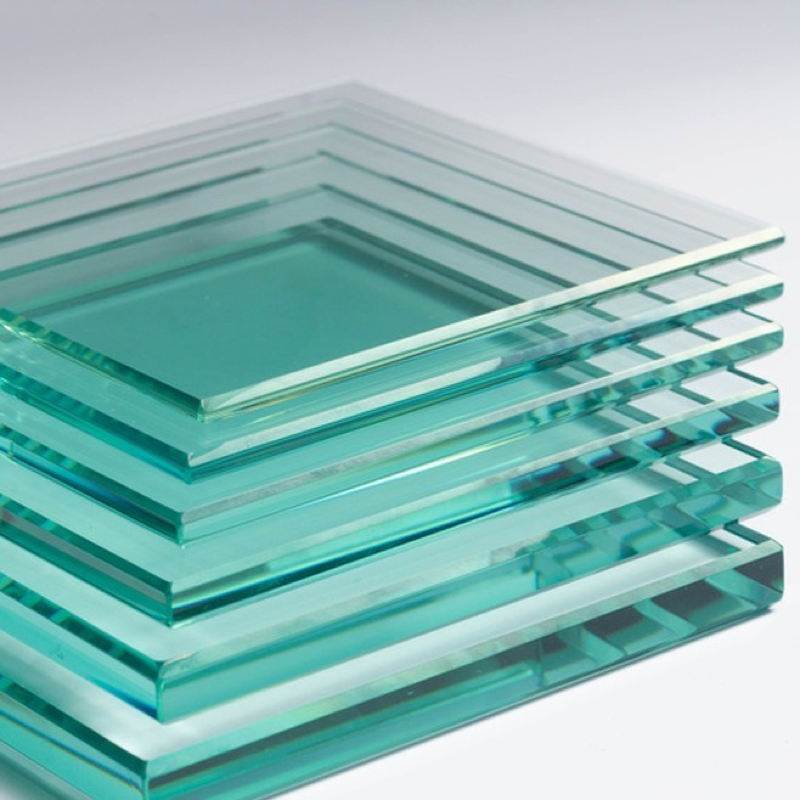
Multi-layered glass is built like a sandwich, but the real magic lies in its flexible core. Tucked invisibly between the rigid outer panes is a tough, flexible plastic called a polyvinyl butyral interlayer (PVB). Instead of a simple liquid glue, this clear sheet forms a permanent adhesive bond with the glass on either side during manufacturing. It is the exact same hidden hero that keeps your car windshield from showering you with dangerous shards when a stray highway pebble hits it at high speed.
When a heavy object strikes the window, the rigid glass itself will likely crack, but the inner PVB layer springs into action like a microscopic trampoline. Because this high-strength plastic is incredibly stretchy, it absorbs the sudden shock and dissipates the destructive energy outward. Rather than allowing a heavy branch or flying debris to punch completely through the pane, the interlayer catches the object, stretching just enough to survive the blow without tearing. This energy-absorbing trick is why the window safely holds its shape in a spiderweb pattern instead of exploding across your floor.
Burglars and severe weather both rely on quick, catastrophic breakage to get inside your house, making this hidden plastic layer a formidable defense. The sheer resilience of the core makes impact resistant windows for homes incredibly difficult to breach. Even if an intruder repeatedly strikes the pane with a hammer, the broken shards remain firmly stuck to the plastic sheet, creating a frustrating, noisy barrier that refuses to give way. These profound safety glass benefits have made this specific plastic bonding technique the undisputed industry standard for residential security.
Realizing how this flexible core catches impacts and holds shattered pieces together naturally raises a question about exactly how thick these layers need to be. While you can find this multi-layered design in various sizes, architects and security experts rely on one exact measurement: 17.5mm, the 'Goldilocks' of structural safety.
Some glass doors feel as solid as a brick wall while others rattle in the breeze because of a manufacturing technique called glass pane stacking. When experts need extreme security, they combine two different technologies to create 17.5mm toughened laminated glass. Fusing two heavy-duty, 8mm thick panes of "toughened" glass—which has been specially heat-treated to resist blunt force—around a thick 1.52mm plastic PVB interlayer delivers double protection. The toughened outer layers repel massive physical blows, while the flexible plastic core ensures that even if cracked, the heavy panel stays firmly anchored in its frame.
This dense construction explains why lighter options fall short in extreme conditions. While 5mm toughened laminated glass offers excellent everyday safety for small interior displays or picture frames, it is simply too thin to stop a determined intruder or a severe hurricane. To see the difference, here is how experts rank glass thickness for standard use:
Standard Windows (3-4mm): The basic, single-layer glass found in older homes that easily shatters into dangerous, jagged shards.
Standard Safety Glass (6.38mm): A lightweight, entry-level glass-and-plastic sandwich used for baseline home security and preventing accidental injury.
Structural Glass (17.5mm+): The heavy-duty tier used in structural glazing systems—like walk-on glass floors or frameless balcony railings—where the glass actually acts as a load-bearing wall.
Beyond holding your home securely together, this substantial thickness fundamentally transforms your daily living environment. Because this specific 'Goldilocks' measurement packs so much dense material into a single frame, it blocks more than just physical threats. The heavy combination of rigid, heat-treated glass and thick, stretchy plastic naturally disrupts invisible vibration waves traveling through the air. This robust barrier also acts as a powerful noise filter to silence your street.
Living near a busy street often feels like having uninvited guests in your living room, but that invisible invasion is just a series of pressure waves moving through the air. When these sound waves hit a standard, single-pane window, the thin glass easily vibrates, passing the noise directly into your home. This is where the heavy "sandwich" design of laminated glass steps in to perform a neat trick called wave dampening. Just as a thick sponge absorbs a spilled drink, the flexible plastic interlayer trapped between the rigid glass panes absorbs and breaks up those sound vibrations. By the time the energy travels through the first layer of glass, hits the squishy plastic center, and reaches the second pane, the wave is largely exhausted.
To measure exactly how much noise gets stopped at the glass, professionals use a rating system called the Sound Reduction Index for windows (or SRI). Think of SRI as an SPF sunblock rating, but for noise reduction: the higher the number, the better the window is at keeping the environment out. A standard house window might have an SRI around 25, meaning it blocks some noise but still lets in the annoying hum of traffic. When you upgrade to thick laminated glass, you introduce severe "decibel attenuation"—a technical term that simply means forcefully turning down the volume knob on outside sounds. A 17.5mm laminated pane boasts an SRI nearing 40, shifting your indoor experience from frustratingly loud to comfortably serene.
Because human hearing is highly sensitive, it is helpful to look at how this acoustic insulation for windows handles real-world scenarios. While no glass creates a 100% "soundproofed" vacuum, heavy laminated glass creates a distinctly "quiet" environment by cutting perceived noise by more than half. Here is what you can expect when 17.5mm glass stands between you and the outside world:
Heavy Traffic (85 decibels): Drops down to a gentle, distant hum comparable to a quiet refrigerator.
Lawnmowers (90 decibels): Reduces a neighbor's noisy weekend chores into an easily ignorable background murmur.
Emergency Sirens (110+ decibels): Muffles the piercing, high-pitched wail so it no longer interrupts your conversations or jolts you awake.
While enjoying a quieter living space is a remarkable everyday benefit, the exact same vibration-killing properties that silence your street serve a much more serious purpose. This layered glass absorbs the invisible energy of noise and handles the swinging end of a crowbar with equal stubbornness, stopping forced entry in its tracks.
When a burglar swings a heavy crowbar at your back door, expecting the glass to explode into a shower of easy-to-step-through shards, heavy laminated glass behaves completely differently. It locks those broken pieces into a familiar fracture pattern that refuses to fall out of the frame. The flexible plastic interlayer—the resilient core in our glass sandwich—grips every jagged piece tightly. When considering a forced entry resistant window installation, this structural stubbornness is exactly what you are paying for. The glass itself breaks, but the barrier remains solid, turning an easy smash-and-grab into an exhausting physical battle.
Criminals rely on speed and silence to avoid getting caught, making time their absolute worst enemy. Because the tough inner layer acts like a trampoline that stretches and absorbs repeated blows, punching a hole through 17.5mm glass requires dozens of noisy, violent strikes. This introduces a critical concept called security delay time, which simply measures how long a barrier can stall an intruder. While a typical window break-in takes seconds, fighting through these impact resistant windows for homes can take several agonizing minutes for an attacker. Forced to create a massive racket while making zero progress, the vast majority of intruders simply give up and run away long before they ever breach your home.
A common myth is that this type of safety glass is completely indestructible, which often leads to confusion when homeowners shop for a shatterproof glazing replacement. In reality, "shatterproof" is a slightly misleading label; the rigid glass panes are actually designed to fracture under heavy force, but the unit is considered "impact resistant" because the total window stays safely intact within the frame. You gain the ultimate peace of mind knowing your family is protected by a resilient, unyielding shield instead of fragile, dangerous glass. Best of all, this invisible guardian works around the clock, though fending off intruders is not its only silent job. Protecting your furniture from invisible UV bleaching is yet another remarkable benefit hiding right in plain sight.
Most people love the feeling of natural sunlight flooding into their living rooms. Unfortunately, that warm glow comes with a hidden cost to your expensive rugs, couches, and hardwood floors. While you can easily enjoy the bright visible light illuminating your home, you cannot see the destructive ultraviolet (UV) rays hitching a ride alongside it. It is these invisible UV rays that act like a slow bleach, gradually sapping the rich colors from your upholstery and prized artwork over time.
Think of the plastic interlayer inside this specialized glass as a pair of permanent, high-tech sunglasses for your house. Standard residential windows might block UV-B rays—the specific type of light that causes sunburns—but they let fading UV-A rays pass right through to damage your fabrics. The flexible PVB layer inside a laminated window acts as a powerful filter, stopping up to 99% of both UV-A and UV-B rays dead in their tracks. This built-in barrier performs much more reliably than aftermarket window coatings, delivering absolute uv protection for interior furniture while still letting all the harmless visible light shine beautifully into your room.
Preserving your home's carefully curated interior ultimately translates into significant long-term savings. When you factor in the steep cost of replacing prematurely faded sofas or refinishing sun-bleached wood floors, these hidden laminated glass benefits become incredibly clear. You are not just buying a window; you are investing in an invisible shield that protects the financial value of everything inside your home. While this UV-filtering "sandwich" design offers incredible advantages for both security and sun protection, it is frequently confused with other types of safety glass on the market.
Most people use "safety glass" as a catch-all term, assuming all secure windows behave the same way. In reality, standard safety glass is often just tempered glass—sometimes called toughened glass—which undergoes an intense heating and rapid cooling process known as thermal tempering. This manufacturing trick forces the panel to break into safe, blunt pebbles rather than dangerous, jagged shards. While this protects you from serious cuts, it leaves a gaping hole where your window used to be. This vulnerability is exactly where the debate of tempered vs multilayer safety glass begins, as they solve two very different problems.
Multilayer designs, on the other hand, rely on the hidden plastic interlayer to hold shattered pieces firmly in place. For areas requiring extreme durability, like high-rise balconies, manufacturers combine both technologies to create heavy-duty 17.5mm glass panels. These thick barriers consist of two layers of tempered glass sandwiching a tough plastic core. To ensure these toughened panels do not spontaneously shatter years down the road, they undergo "heat-soak testing"—a process that bakes the glass in a giant oven to force any microscopic flaws to break safely in the factory, rather than on your balcony.
Knowing exactly which type to choose comes down to the specific job the window needs to perform. Here is a quick comparison table of these safety glass types to help you decide:
Feature | Tempered (Toughened) Glass | Laminated (Multilayer) Glass |
|---|---|---|
Primary Strength | Resists heavy blunt impacts and sudden temperature shifts. | Stays completely intact even when heavily cracked. |
Fragmentation Patterns | Shatters entirely into small, harmless pebble-like chunks. | Cracks into a spiderweb pattern but remains standing. |
Best Use Cases | Shower doors, oven doors, and indoor glass furniture. | Skylights, storefronts, windshields, and security doors. |
Ultimately, matching the right glass to the right locati0n keeps your family safe and your property secure. You certainly would not want a crumbling tempered window trying to hold back hurricane winds, just as you do not need heavy-duty multilayer glass for a simple indoor shower. Understanding these differences empowers you to make smart choices for your home. This plastic-and-glass sandwich relies on the autoclave process—using immense heat and pressure—to create a single, unbreakable shield.
Stacking the glass and plastic layers is only the first step, as this initial sandwich is unfortunately full of trapped air. If manufacturing stopped here, your window would be cloudy and covered in distracting bubbles—much like a poorly applied phone screen protector. To fix this, workers use a technique called vacuum bagging to physically suck all the tiny air pockets out from between the layers. This vital de-airing step guarantees perfect glass clarity, ensuring nothing blocks your view of the outside world before the final bonding begins.
To make this connection permanent, the layered panels are rolled into an autoclave, which operates like a massive industrial pressure cooker. During the glass autoclave manufacturing process, intense heat gently melts the plastic interlayer while extreme pressure squeezes the sandwich together. This dual action locks the materials into one unified piece of architectural safety glass. The heat turns the slightly hazy plastic completely transparent, while the heavy pressure ensures the layers will never peel apart, even decades down the road.
Once the newly fused panel cools down, you can no longer see the hidden plastic shield that gives the window its incredible strength. This invisible barrier is permanently bonded, meaning a burglar's hammer or a flying baseball will only crack the surface instead of punching a dangerous hole through your living room wall. Because this unified defense is so flawlessly integrated, it is trusted to protect homes during the most violent natural disasters. That same unbreakable grip becomes absolutely crucial during extreme weather and hurricane conditions.
When a Category 4 storm hits, the real danger is not just the wind itself—it is what the wind is carrying. To ensure impact resistant windows for homes can actually survive these extreme conditions, engineers subject them to a brutal evaluation known as the large missile impact test. During this assessment, a cannon fires a nine-pound wooden two-by-four directly at the window at 34 miles per hour. To pass, the heavy-duty laminated glass—typically around 17.5mm thick (roughly three-quarters of an inch)—must successfully catch the lumber. The outer glass will shatter upon impact, but the hidden plastic core stretches like a trampoline, keeping the entire panel safely inside the frame.
Keeping that flying debris outside does much more than stop rain from soaking your carpets. If a standard window shatters and falls out during a hurricane, violent winds immediately rush into your living room with no way to escape. This sudden trap of rushing air creates a dangerous ballooning effect called internal pressurization, which can generate enough upward force to literally blow the roof off your house. By remaining entirely intact after a strike, specialized storm glazing acts as a vital pressure shield. Even if the glass looks like a crushed spiderweb, it maintains the boundary between the storm and your home, preserving your property's structural integrity.
Upgrading your home for this level of defense provides three distinct layers of security during severe weather:
Impact Resistance: Catches heavy, flying debris like tree branches or roof tiles before they enter your living space.
Pressure Maintenance: Keeps the wind out so your roof stays safely attached to your walls.
Weather Sealing: Blocks torrential rain from causing catastrophic water damage, even when the glass surface is completely cracked.
While the initial hurricane rated window cost is higher than standard glass, preventing a total roof collapse makes it an invaluable investment for coastal residents. However, catching flying debris is entirely different from stopping a bullet, highlighting the limits of standard impact resistance.
Watching a hurricane window swallow a flying wooden plank might make you feel invincible, but surviving blunt-force weather is very different from stopping a bullet. The heavy-duty architectural safety glass used in coastal homes relies on flexibility to catch large, relatively slow-moving debris. A bullet, however, brings a highly concentrated, incredibly fast point of pressure designed to pierce rather than push. That 17.5mm storm glass that easily stops a 34-mph two-by-four will easily be breached by the concentrated energy of a small-caliber firearm.
To genuinely halt a projectile, manufacturers must build a much thicker "sandwich" using a technique called ballistic layering. Instead of just two panes of glass hugging a single plastic PVB interlayer, true security glazing stacks multiple alternating layers of specialized glass and heavy-duty plastics. This creates a transparent shield often well over an inch thick. When a bullet strikes, the rigid glass layers flatten the tip of the projectile, while the flexible plastic layers stretch to absorb its immense energy, safely trapping the metal inside the pane.
Figuring out exactly how much layering is needed comes down to strict bullet resistant glass standards established by the National Institute of Justice (NIJ). The NIJ rating system acts like a step-ladder of security: Level 1 is tested to stop standard handguns, while higher levels are engineered with even more layers to defeat high-velocity rifles used in military environments. To put residential security into perspective, the toughest hurricane window on a coastal house does not even qualify for NIJ Level 1 protection.
Even if a standard heavy window somehow managed to slow a bullet down, it still poses a hidden danger to anyone inside the room known as spalling. When explosive force hits the outside of a pane, the shockwave can cause tiny, razor-sharp shards—called spall—to burst off the inside surface, spraying the interior like shrapnel. High-level ballistic glass prevents this by adding a specialized anti-spall plastic shield on the very back layer. Given the immense thickness and tough plastic cores required to achieve these life-saving properties, you might wonder how builders ever manage to size these panels for a frame. Can you actually cut this extreme glass once the factory puts it together?
Attempting a diy glass repair on heavy-duty windows might seem like a smart way to save cash, but bringing a basic hand tool to these panels will end in disaster. Because tempered glass is heat-treated to lock in massive surface tension, trying to score and snap a toughened pane will cause the entire sheet to instantly pop into thousands of dull pebbles. Therefore, every single sizing adjustment or drilled hole must happen at the factory before the glass enters the extreme heat of the tempering oven. Once it cools into its protective, high-tension state, the dimensions are permanently locked.
Even if your specific safety window skips the tempering process, learning how to cut architectural safety glass safely still demands specialized industrial machinery. You cannot just score the top pane and snap it, because the plastic interlayer acts like a stubborn rubber wall holding the broken halves together. Professional glass processing relies on high-pressure water jets or diamond-tipped saws to carve through the entire glass-plastic-glass sandwich cleanly. If someone tries to score the outer panes and then manually cut the middle plastic—a risky technique called inter-layer slicing—it almost always leaves jagged edges or invites moisture inside, permanently ruining the window's clarity.
A minor measuring mistake can easily turn into a massive financial loss if you hope to trim a panel on the job site. Since these protective layers make post-production alterations completely impossible, flawless initial measurements are your only defense against wasting money. You must rely on exact custom factory orders to ensure your impact windows fit your home perfectly the very first time. Knowing how these numbers stack up helps evaluate the long-term ROI of 17.5mm glazing for your home security.
Seeing a quote for 17.5mm laminated windows often triggers immediate sticker shock. It is completely normal to question why the architectural safety glass price runs two to three times higher than standard residential panes. The answer lies in how these thick panels change the fundamental structure of your house. Instead of just filling a hole in the wall, this heavy-duty glass upgrades your "building envelope"—the continuous physical barrier that separates your comfortable indoor living space from harsh outdoor weather and potential outside threats. By acting as an impenetrable shield, this glass stops being a simple building material and becomes an active investment that pays you back over time.
When you look past the initial invoice, the true financial return reveals itself through everyday hidden savings. While the upfront hurricane rated window cost might seem steep, you will consistently recover that money across four distinct areas of your home's operation:
Energy bills (insulation): The thick glass and inner plastic layers trap your indoor climate control, drastically reducing monthly heating and cooling costs.
Insurance premiums (security): Because this glass frustrates burglars and survives severe storms, many insurance providers offer significant monthly discounts due to the reduced risk of property damage.
Furniture lifespan (UV): The inner plastic layer acts like giant sunglasses for your house, filtering out 99% of fading UV rays to protect your expensive rugs, artwork, and couches.
Durability: Unlike standard windows that shatter easily, these impact-resistant panels survive stray baseballs and flying storm debris intact, virtually eliminating future replacement costs.
Beyond these immediate daily savings, installing premium laminated glazing permanently elevates your overall home value when it is time to sell. Modern homebuyers actively seek out properties equipped with advanced security and weatherproofing, viewing these heavy-duty windows as a premium asset rather than a basic utility. When you calculate the lower energy bills, avoided repair costs, and increased resale appeal, the initial price tag looks less like an expense and more like a smart financial strategy.
A window often seems like just a fragile barrier between you and the outside world, but it possesses the potential to be an invisible shield. The magic of the plastic interlayer goes far beyond just holding shattered pieces together. By combining unmatched shatter-resistance with noise reduction and UV filtering, this technology synthesizes physical safety and everyday quiet, transforming a simple pane of glass into a reliable source of peace of mind.
Understanding how this structural sandwich works is a great foundation, but the real value comes from putting this knowledge to work in your own home. Whether you are upgrading an older property, building a new one, or simply tired of hearing the neighborhood traffic, you are now equipped to make smart, targeted upgrades. Investing in architectural safety glass doesn't mean you have to replace every single window tomorrow; it means making strategic choices where they matter most to protect your family and your property.
To fully protect your property, follow this practical five-step checklist:
Identify high-risk zones: Pinpoint vulnerable areas first, such as ground-floor sliding doors, large storefront-style home windows, or street-facing bedrooms.
Check local wind-load requirements: If you live in a hurricane or severe storm area, verify what weather ratings your new windows are legally required to meet.
Consult a structural glazier: Speak with a local glass professional to discuss which specific thickness and frame type is right for your unique house.
Verify UV specs: Ensure the plastic interlayer you choose blocks out 99% of fading UV rays to protect your living room furniture and hardwood floors.
Get professional installation quotes: Gather estimates from licensed contractors, because a secure, well-fitted frame is just as important as the glass itself.
Start with just one high-priority area to see immediate results and build your confidence in the upgrade process. Focus on a noisy bedroom window or a vulnerable back patio door, and notice how much quieter and more secure that space suddenly feels. Each time you apply these safety glass benefits to a new room, you take another step toward a calmer environment. You now know exactly what questions to ask your glass contractor, ensuring you get the exact protection you are paying for without feeling overwhelmed.
The next time you hear a pebble hit your car windshield or watch a heavy storm roll in, you will understand exactly why you are safe. Laminated glass is a quiet guardian standing between your family and the unpredictable world outside. You now have the insight to harness that invisible protection, turning your home into the ultimate sanctuary.


